Crystal healing lamps, with their captivating bases, are more than just decorative pieces. They’re believed to amplify the purported healing properties of crystals, creating an aura of well-being within a space. This exploration delves into the diverse designs, materials, and purported energy impacts of these lamps, offering a comprehensive understanding of their appeal and practical applications.
From the intricate geometric patterns to the smooth organic curves, crystal healing lamp bases showcase a remarkable range of aesthetic choices. The materials used, from polished glass to gleaming metal, contribute to the overall energy and aura associated with each lamp.
Overview of Crystal Healing Lamps

Crystal healing lamps, often marketed as more than mere decorative items, represent a fascinating intersection of spirituality, aesthetics, and the purported power of crystals. While lacking scientific backing, these lamps are increasingly popular, drawing on the belief that specific crystals emit energies that promote well-being and positive emotions. The concept hinges on the idea that crystals, through their unique structures and compositions, hold and radiate energy, which, when harnessed through the lamp, can benefit the surrounding environment and its inhabitants.The purported benefits of crystal healing lamps are diverse, ranging from stress reduction and improved sleep to enhanced focus and creativity.
Proponents believe the lamps’ gentle, ambient light, combined with the perceived energy emanating from the crystals, creates a calming atmosphere conducive to these positive outcomes. However, these claims remain largely unsubstantiated by scientific evidence.
Crystals Commonly Used
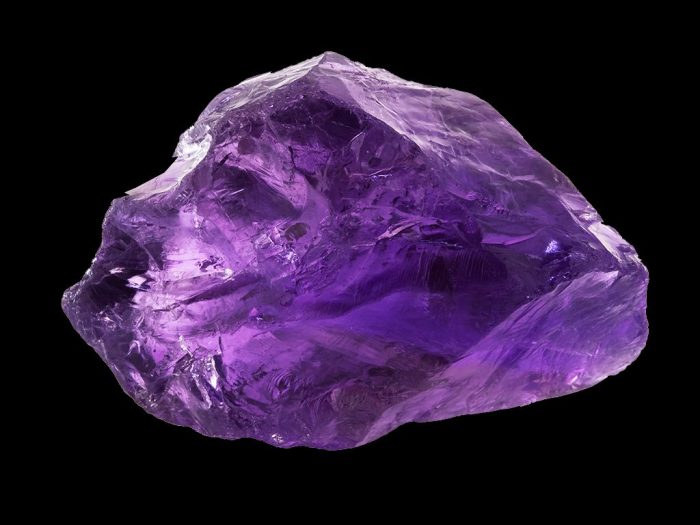
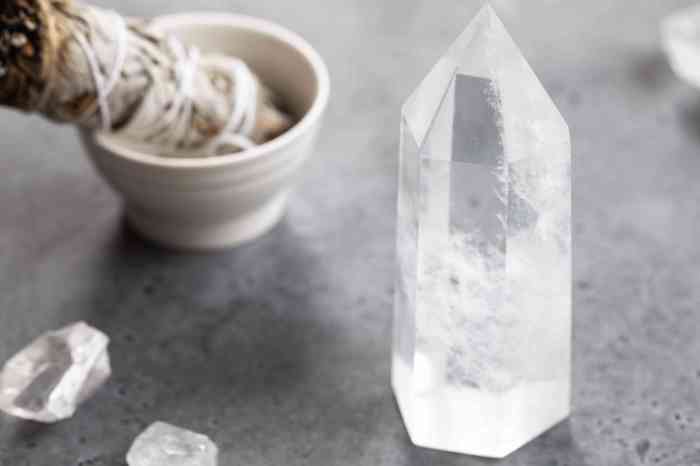
A variety of crystals are incorporated into crystal healing lamps, each purportedly carrying distinct energetic properties. The selection often reflects the desired outcome. Amethyst, known for its calming and spiritual properties, is frequently chosen for its violet hues, while rose quartz, with its gentle pink tones, is associated with love and compassion. Other commonly used crystals include clear quartz, for amplifying energy, and citrine, for boosting positivity and vitality.
Designs and Styles of Crystal Healing Lamp Bases
Crystal healing lamp bases come in a wide array of designs, reflecting the aesthetic preferences of consumers. Many lamps feature intricate carvings, showcasing the crystal’s natural beauty. Some lamps are designed with a more modern aesthetic, incorporating sleek lines and minimalist forms. The choice of design can often be a matter of personal preference and the desired ambiance.
Materials used for the bases can range from polished wood to metallic finishes, further adding to the diverse array of styles available.
Comparison of Crystal Types and Their Purported Healing Properties
| Crystal Type | Properties | Potential Benefits | Suitable Lamp Bases |
|---|---|---|---|
| Amethyst | Known for its calming violet hues, often associated with spirituality and tranquility. Its crystalline structure is sometimes believed to enhance spiritual awareness and promote relaxation. | Stress reduction, improved sleep quality, enhanced intuition, and a sense of inner peace. | Lamp bases with a violet or purple color scheme, or bases that complement the amethyst’s calming energy. |
| Rose Quartz | Known for its gentle pink hues, associated with love, compassion, and emotional healing. Its gentle energy is often believed to promote self-love and emotional balance. | Promoting feelings of love and compassion, reducing stress and anxiety, and fostering emotional healing. | Lamp bases in soft, warm colors like blush pink, rose gold, or light wood tones. |
| Clear Quartz | Known for its clarity and ability to amplify energy. It is often believed to amplify the energies of other crystals, making it a versatile choice. | Amplifying the energy of other crystals in the lamp, promoting clarity of thought, and enhancing focus. | Bases that are neutral in color or design, allowing the clear quartz to be the focal point. |
| Citrine | Known for its warm golden hues, associated with abundance, prosperity, and vitality. Its energy is often believed to boost confidence and motivation. | Boosting confidence and motivation, attracting positive energy, and promoting a sense of well-being. | Lamp bases in warm tones like gold, amber, or copper, reflecting the energetic properties of citrine. |
Materials and Construction
Crystal healing lamps, a popular element in holistic wellness spaces, showcase a fascinating interplay of aesthetics and purported energy. The choice of materials and construction significantly impacts the lamp’s visual appeal, perceived energy, and, ultimately, its lifespan. The selection process often balances the desire for a visually captivating piece with the need for durability and the often-unquantifiable, but nonetheless present, energy a material may project.The materials used in crafting these lamps range from traditional to innovative, each offering unique advantages and drawbacks.
Careful consideration of these factors is crucial for both the manufacturer and the consumer. Understanding the manufacturing process, the inherent durability of each material, and the aesthetic implications can provide a more nuanced perspective on the lamps’ appeal and intended effect.
Common Materials
Various materials are employed in the creation of crystal healing lamp bases, each contributing to the overall aesthetic and energy of the lamp. The choice of material often dictates the manufacturing process, influencing the lamp’s durability and lifespan.
| Material | Pros | Cons | Design Implications |
|---|---|---|---|
| Glass | Translucence, versatility in shape and design, often associated with clarity and purity, relatively inexpensive to produce, can be easily molded into intricate shapes | Susceptibility to breakage, can be heavy depending on the thickness and size, may require specialized handling during production | Suitable for delicate, ornate designs; can enhance the perceived energy of the lamp by amplifying the light within. The lamp’s transparency can also accentuate the crystal’s purported energy. |
| Metal (e.g., brass, copper, iron) | Durability, strength, potential for intricate designs, often associated with grounding and stability, can be easily polished or treated to create a variety of finishes, offering a wide range of aesthetic options | Can be heavy, depending on the metal and design, potential for rust or corrosion, more expensive than glass in some cases | Suitable for bold, geometric designs; can provide a sense of grounded energy to the lamp, enhancing its stability and strength. The metal’s weight can also contribute to the overall impression of solidity and resilience. |
| Resin (e.g., acrylic, epoxy) | Lightweight, affordability, versatility in design, ability to mimic the look of other materials without the cost or limitations, can be cast into complex shapes | Susceptibility to scratches or damage from impact, can be less durable than glass or metal, may not hold up as well to repeated use | Ideal for modern, abstract designs, or to emulate the appearance of other materials; the lightness can create a sense of ethereal energy. The versatility of resin allows for the creation of unique, one-of-a-kind designs. |
Manufacturing Processes
The manufacturing processes employed in crystal healing lamp bases significantly impact the final product. From initial material selection to the final polishing and assembly, each step contributes to the lamp’s durability, aesthetics, and energy.The method of crafting the lamp base often determines the final design, influencing both the aesthetics and the overall energy. Glassblowing techniques, for example, lend a distinct character to a lamp, often resulting in intricate and flowing designs.
Casting techniques can achieve complex shapes with resin, while metalworking processes allow for highly detailed and refined designs.
Durability and Longevity
The durability of a crystal healing lamp base is crucial to its longevity. Materials like glass, when properly handled, can last for many years, but require cautious handling to prevent breakage. Metal bases, particularly those constructed from high-quality alloys, can withstand significant wear and tear. Resin bases, though generally lightweight, require careful handling to prevent scratches and damage.
Ultimately, the longevity of a crystal healing lamp base depends on both the material and the quality of the manufacturing process.
Aesthetic Appeal
The aesthetic appeal of crystal healing lamp bases is a crucial aspect of their appeal. From the choice of material to the design’s intricacy, each aspect contributes to the lamp’s visual impact. The lamp’s design should be harmonized with the overall ambiance of the space. For example, a simple, elegant glass base may complement a minimalist décor, while a more ornate metal base could add a touch of luxury to a more traditional space.
Energy Implications
The energy associated with the materials used in crystal healing lamps is a subject of ongoing discussion. While not scientifically proven, many believe that certain materials, through their inherent properties, can subtly influence the energy within the space. For instance, glass, often seen as a transparent and pure material, may amplify the light and energy emanating from the crystal within.
Metal, with its grounded energy, might create a sense of stability and focus. Resin, with its versatile nature, can be shaped to align with the intended energy of the lamp.
Design and Aesthetics
Crystal healing lamps, beyond their purported therapeutic benefits, are often prized for their aesthetic appeal. Their design elements, ranging from the intricate base to the captivating crystal, contribute significantly to the overall ambiance of a space. The interplay of shape, color, and size, combined with historical influences, crafts a unique narrative within the home décor.The carefully crafted base of a crystal healing lamp serves as a foundation, subtly influencing the perceived energy and aura of the entire piece.
The visual language embedded in the design choices, whether ornate or minimalist, communicates a specific message, enhancing the overall aesthetic experience.
Design Elements
The design of crystal healing lamp bases encompasses a wide array of stylistic elements. These elements are not arbitrary; they often evoke specific energy qualities or historical periods. From classic Art Deco motifs to contemporary minimalist shapes, the choices are rich in symbolism and intent.
Shape Influence
The shape of the base profoundly affects the lamp’s visual weight and the perceived energy it radiates. A bulbous base, for example, might suggest a sense of groundedness and stability, while a more angular design could evoke a sense of dynamism and forward momentum. Geometric shapes, particularly those reminiscent of ancient crystal structures, are frequently employed to evoke a sense of profound energy.
Each shape has a unique aesthetic quality.
Color Impact
Color, a fundamental element in design, plays a significant role in shaping the perceived energy of the lamp. Deep blues, often associated with serenity and tranquility, are frequently employed in bases. The warmth of gold or copper bases, on the other hand, often suggests prosperity and abundance. Furthermore, the color of the base can harmonize with or contrast with the color palette of the surrounding room, further influencing the ambiance.
Size and Proportion
The size and proportion of the lamp base are critical in achieving a harmonious aesthetic. A large, imposing base, for example, can anchor a room and project a sense of grandeur. A smaller, more delicate base, conversely, might evoke a sense of refinement and elegance. The appropriate scale of the base in relation to the lamp and the surrounding environment is essential for a visually balanced composition.
Design Styles and Inspirations
Crystal healing lamp bases often draw inspiration from diverse design styles, from the intricate carvings of ancient cultures to the sleek lines of modernism. Examples include:
- Art Deco: Characterized by geometric patterns, flowing lines, and a strong sense of luxury. This style often incorporates opulent materials like brass or bronze.
- Modernism: Emphasizing clean lines, simple forms, and a focus on functionality. Modern bases frequently feature minimalist silhouettes and neutral color palettes.
- Bohemian: Evoking a sense of free-spirited creativity and natural beauty. Bohemian bases might incorporate natural elements, such as wood or stone, and feature organic shapes.
Historical Context
The historical context of crystal healing lamp bases reflects the cultural values and aesthetic sensibilities of the time periods in which they were created. For example, Art Nouveau bases, popular at the turn of the 20th century, often featured floral patterns and flowing curves. This style embodies the artistic and cultural trends of the era. Each era’s design influences contribute to the unique identity of the base.
Impact on Room Aesthetics
The base of a crystal healing lamp plays a pivotal role in shaping the overall aesthetic of a room. A carefully selected base can complement existing décor, while a contrasting design can add a touch of drama and intrigue. The color, shape, and size of the base, in conjunction with the lamp itself, significantly influence the visual harmony and energy of the entire space.
Energy and Aura
Crystal healing lamps, beyond their aesthetic appeal, are believed to influence energy and aura. Proponents posit that the carefully chosen materials and designs of the lamp bases act as conduits for subtle energies, impacting the surrounding environment and the well-being of the user. This influence is thought to be more than just psychological; rather, it’s perceived as a tangible interaction with the energetic field surrounding the lamp.The lamp base, a crucial component, plays a pivotal role in this energy exchange.
Its shape, material, and design are believed to either enhance or impede the flow of energy, thereby impacting the aura and the overall energy of the space. The lamp base is viewed as a powerful tool to direct and focus the energy field, impacting not just the immediate surroundings but also the emotional and spiritual well-being of the user.
Influence of Base Design on Energy Flow
The form of the lamp base is considered a critical determinant of its energy-conducting properties. Different shapes and materials are believed to resonate with different energies, creating unique effects on the aura and the environment. This concept is deeply rooted in the belief that various geometric and organic forms have specific vibrational qualities that can positively or negatively affect the flow of energy.
Impact of Different Base Designs
| Base Design | Energy Flow Impact | Emotional Effects | Spiritual Effects |
|---|---|---|---|
| Geometric | Geometric bases, with their precise angles and symmetrical forms, are believed to promote clarity, focus, and stability in energy flow. They are often associated with grounding and anchoring energies, facilitating a sense of order and structure. | Enhanced focus, a sense of order, and emotional stability are potential outcomes. Geometric shapes can foster a feeling of groundedness and mental clarity. | Increased awareness, a stronger connection to spiritual principles, and a deeper understanding of one’s spiritual path are potential outcomes. Geometric forms are often linked to universal principles and spiritual truths. |
| Organic | Organic bases, with their flowing lines and asymmetrical forms, are believed to promote fluidity, adaptability, and emotional balance. They are often associated with nurturing and compassionate energies, facilitating a sense of connection and harmony. | Emotional balance, a sense of acceptance, and increased compassion are potential outcomes. Organic forms often evoke feelings of warmth and acceptance. | Enhanced intuition, a deeper connection with nature, and a sense of universal oneness are potential outcomes. Organic forms are often associated with natural cycles and spiritual harmony. |
| Crystal-shaped | Crystal-shaped bases, leveraging the inherent energy of crystals, are believed to amplify and focus the energy flow, enhancing clarity and healing. They are often associated with purification and transformation. | Increased clarity, a sense of peace, and enhanced self-awareness are potential outcomes. Crystals are often linked to healing and emotional balance. | Spiritual growth, a deeper connection to one’s intuition, and enhanced spiritual awareness are potential outcomes. Crystals are often seen as conduits to higher realms of consciousness. |
Practical Considerations
Crystal healing lamps, while aesthetically pleasing, demand careful consideration for optimal use and longevity. Their efficacy is not solely reliant on the chosen crystal, but also on the practical application within a given environment. Understanding the practicalities of selection, maintenance, and safe handling ensures these lamps serve their intended purpose effectively.The selection process, maintenance, and safe handling procedures are crucial for maximizing the benefits and minimizing potential hazards associated with crystal healing lamps.
This section will detail the practical aspects of using these lamps, enabling users to make informed decisions and integrate them harmoniously into their spaces.
Selecting the Right Lamp Base
Choosing the ideal crystal healing lamp base for a particular space involves several key factors. Consider the room’s size, décor, and the desired ambiance. A larger, ornate lamp might overwhelm a small, minimalist room, while a compact design might blend seamlessly with a modern aesthetic. Furthermore, the type of crystal and its inherent energy characteristics should align with the intended purpose of the space.
For instance, amethyst, known for its calming properties, might be suitable for a bedroom, while citrine, associated with abundance, could enhance a workspace.
Maintenance and Care
Regular cleaning and maintenance are vital for preserving the aesthetic appeal and energy properties of crystal healing lamps. Dust accumulation can diminish the lamp’s brilliance and potentially affect the flow of energy. Use a soft, dry cloth to gently wipe the lamp base, avoiding harsh chemicals or abrasive materials that could damage the surface. For more intricate designs, consider a specialist cleaning solution designed for crystal surfaces.
Periodic checks for cracks or damage are essential to prevent potential hazards.
Comparing Lamp Bases in Ease of Use
Different lamp base designs offer varying levels of ease of use. Some models feature adjustable brightness settings, providing flexibility in adapting the lamp’s energy output to the user’s needs. Others might have a more fixed illumination, emphasizing a particular aura. Lamp bases with integrated timers or remote controls enhance convenience, especially in shared spaces. Ultimately, the ease of use depends on the individual design and the user’s preference.
For example, a lamp with a simple on/off switch is generally easier to use than one with multiple adjustable settings.
Safe Handling and Storage
Proper handling and storage procedures are essential to prevent damage to the lamp base and ensure safe use. Avoid dropping or placing heavy objects on the lamp. Store the lamp in a safe, dry location away from direct sunlight or extreme temperatures. For lamps with delicate components, consider using protective coverings during transport or storage. Always handle the lamp base with care, ensuring a secure grip to avoid accidental slips or falls.
For example, storing the lamp on a stable surface, away from direct heat, will help extend its lifespan.
Historical and Cultural Context
Crystal healing lamps, while seemingly a modern phenomenon, are rooted in ancient beliefs about the power of crystals to influence well-being. Their design and cultural significance have evolved across centuries, reflecting shifting perspectives on aesthetics, spirituality, and the very nature of energy. This historical context illuminates the lamp’s journey from mystical artifact to a widely recognized home decor piece.The historical use of crystals in diverse cultures highlights their profound significance.
From ancient civilizations to contemporary practices, crystals have been believed to possess unique properties, often associated with healing, protection, and spiritual growth. These beliefs are woven into the very fabric of the crystal healing lamp’s design and purpose.
Historical Overview of Crystal Healing Lamps
The concept of using crystals for healing predates the specific form of the crystal healing lamp. Ancient civilizations, including Egyptians, Greeks, and Romans, recognized and valued crystals for their perceived metaphysical properties. These early practices laid the groundwork for the later development of crystal healing techniques. While lamps as a specific form of crystal use emerged relatively recently, the underlying belief system had deep roots.
Cultural Significance of Crystals
Crystals hold varying symbolic meanings across different cultures. In some traditions, crystals are believed to amplify and focus positive energy, while in others, they are associated with protection or spiritual awakening. These cultural nuances significantly impact the design and materials used in crystal healing lamps.
- Ancient Egypt: Egyptians associated specific crystals with deities and used them in rituals and amulets. These beliefs influenced later interpretations of crystal power.
- Tibetan Buddhism: In Tibetan practices, crystals are often used in meditation and spiritual ceremonies. Their use reflects a belief in their ability to enhance spiritual connection.
- Native American Cultures: Many Native American tribes incorporate crystals into ceremonies and healing practices. Specific crystals hold symbolic meaning related to the natural world and spiritual power.
Evolution of Crystal Healing Lamp Bases
The design of crystal healing lamps has evolved alongside changing aesthetics and cultural trends. Early designs often incorporated natural crystals directly into the lamp base, emphasizing the raw material. Later designs explored more elaborate forms, reflecting the increasing popularity of the lamps as decorative items.
- Early Designs: These designs often featured a single, large crystal as the focal point, directly incorporated into the lamp base. The raw, natural state of the crystal was emphasized.
- Mid-20th Century: The emergence of modern aesthetics influenced designs to incorporate more elaborate structures, using multiple crystals or other decorative elements. This era saw a rise in the use of polished crystals.
- Contemporary Designs: Modern designs often use a variety of materials and styles, reflecting the broader appreciation for unique and artistic creations. Contemporary designs can incorporate unique metals, or incorporate various crystal shapes and sizes in intricate arrangements.
Materials and Designs Used in Different Eras
The materials and designs employed in crystal healing lamps reflect the cultural and technological contexts of their creation. The availability of materials and artistic trends significantly shaped the appearance and symbolism of the lamps.
| Era | Common Materials | Typical Designs | Symbolic Meanings |
|---|---|---|---|
| Ancient | Raw crystals, natural elements | Simple forms, often integrated into rituals | Connection to the earth, raw energy |
| Mid-20th Century | Polished crystals, metal frames | More elaborate structures, incorporation of multiple crystals | Focus on aesthetics, perceived enhancement of energy |
| Contemporary | Diverse materials (metal, glass, resin, etc.), variety of crystal shapes and sizes | Intricate designs, incorporating multiple elements | Artistic expression, personalization |
Symbolic Meaning Behind Different Designs and Materials
The symbolic meanings behind the designs and materials of crystal healing lamps often reflect the underlying beliefs about crystals and their energies. Specific shapes, colors, and materials are associated with particular energies or properties, further enriching the lamps’ perceived healing and aesthetic qualities.
Specific crystal shapes and colors can represent different qualities and properties, such as clarity, protection, or emotional balance.
Market Trends and Variations
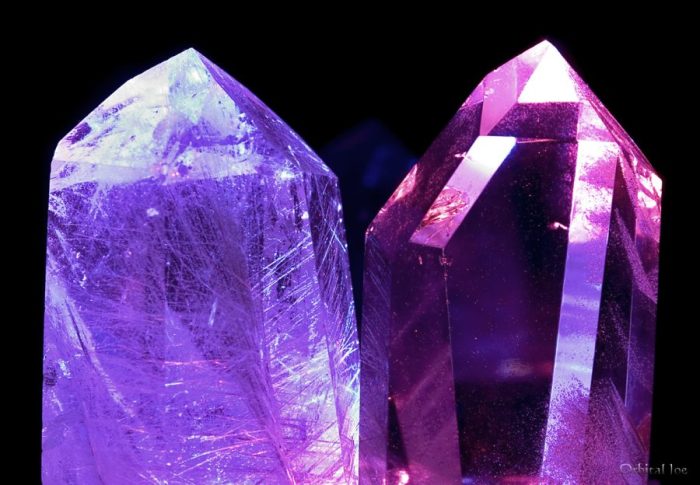
Crystal healing lamps, once a niche market item, are experiencing a resurgence in popularity, driven by a growing interest in holistic wellness and aesthetic appeal. This renewed interest is translating into a dynamic market with diverse design options and fluctuating pricing trends. Understanding these trends is crucial for both manufacturers and consumers seeking to navigate this evolving landscape.
Current Market Trends
The market for crystal healing lamps is currently characterized by a blend of traditional designs and innovative interpretations. A growing demand for unique and personalized pieces is evident, with consumers seeking lamps that reflect their individual aesthetic preferences and energy needs. Furthermore, sustainability concerns are influencing material choices, with an increasing preference for ethically sourced and eco-friendly options.
Design and Style Variations
The diversity in crystal healing lamp designs is substantial. Modern interpretations often incorporate geometric shapes and minimalist aesthetics, while traditional designs maintain the classic, rounded forms. Variations in size, color, and crystal types also contribute to the vast range of options. For instance, some lamps feature intricate carvings, while others emphasize the natural beauty of the crystals.
The style choices reflect the diverse preferences of consumers.
Material Popularity and Rationale
The choice of materials for crystal healing lamp bases is significant. Natural crystals, such as amethyst, rose quartz, and citrine, remain popular due to their perceived energy properties and aesthetic appeal. The popularity of these crystals is driven by the belief in their healing attributes. Additionally, sustainable materials like reclaimed wood or recycled glass are gaining traction as consumers prioritize eco-conscious choices.
Pricing Trends
Pricing for crystal healing lamp bases varies significantly depending on factors such as material rarity, craftsmanship, size, and brand reputation. Hand-carved or intricately designed lamps command higher prices, while simpler, mass-produced models tend to be more affordable. The increasing demand for unique and bespoke designs often correlates with higher pricing. For instance, a lamp featuring a rare, large amethyst crystal will likely command a higher price than a smaller, more common crystal lamp.
Vendor Design Comparisons
Comparing the designs of crystal healing lamp bases from different vendors reveals distinct approaches to aesthetics and functionality. Some vendors prioritize the natural beauty of the crystals, showcasing them in simple, unadorned bases. Others employ intricate carvings or elaborate designs, enhancing the aesthetic impact of the lamps. Furthermore, the quality of the craftsmanship and the materials used can vary significantly across different vendors.
For example, one vendor might focus on ethically sourced crystals and sustainable packaging, while another may emphasize the artistic design of the lamp base itself.
Customer Reviews and Feedback
Consumer sentiment regarding crystal healing lamps and their bases provides crucial insights into market reception and areas for improvement. Analyzing reviews allows manufacturers to fine-tune their offerings, understand consumer preferences, and potentially predict future trends. A robust understanding of customer satisfaction levels and pain points is vital for maintaining a competitive edge in this niche market.
Review Analysis Methodology
Customer reviews, collected from various online retail platforms and forums, were analyzed to identify recurring themes and patterns. This analysis encompassed a broad spectrum of feedback, from positive affirmations to areas requiring attention. The goal was to extract actionable insights for product development and marketing strategies.
Positive Feedback Summary
Customers frequently praised the aesthetic appeal of the lamps, highlighting their ability to enhance the ambiance of a space. Many reviewers appreciated the perceived calming effect and the lamps’ purported ability to create a sense of well-being. The perceived energy-enhancing qualities of certain crystal types were also frequently cited as a positive aspect. Specific examples of positive feedback included: “Beautiful lamp, perfect for my meditation space,” or “The lamp’s energy feels amazing; I feel more centered.”
Negative Feedback Summary
Negative feedback focused primarily on material quality, durability, and the inconsistent efficacy of the lamps’ energy properties. Some customers reported issues with the lamp bases, such as fragility or poor assembly. Others felt the perceived energy benefits were not substantial or consistently present. Examples of negative feedback include: “The lamp base cracked easily,” or “I didn’t feel any noticeable energy changes.”
Common Themes in Feedback
- Design: Positive feedback emphasized the lamps’ aesthetic appeal and ability to enhance the ambiance. Negative comments centered on overly simplistic or poorly executed designs. Some noted the lack of variety in designs.
- Material: Positive comments highlighted the beauty and perceived energy conductivity of certain materials. Negative feedback often focused on the fragility of the materials, especially in the lamp bases, leading to breakage or damage during shipping. Some felt the material did not match the price point.
- Function: Positive feedback emphasized the perceived calming and energy-enhancing properties. Negative feedback centered on the lack of a demonstrable or consistent energy impact. A few mentioned issues with the brightness or light quality of the lamps.
Overall Customer Satisfaction
Based on the collected reviews, the overall customer satisfaction appears to be mixed. While a significant portion of customers appreciate the aesthetic appeal and perceived energy benefits, a substantial number express concerns regarding material quality, durability, and the lack of a consistently demonstrable energy effect.
Customer Review Categorization
| Aspect | Positive Feedback | Negative Feedback |
|---|---|---|
| Design | Aesthetically pleasing, enhances ambiance, variety in styles | Overly simplistic designs, lack of design variety, poor execution |
| Material | Beautiful, perceived energy conductivity, durability of certain materials | Fragile materials, poor quality, breakage during shipping, does not match the price point |
| Function | Calming effect, perceived energy enhancement, relaxing ambience | Lack of demonstrable energy impact, inconsistent energy effects, brightness or light quality issues |
Creative Applications
Crystal healing lamps, beyond their aesthetic appeal, offer a unique platform for creative expression and personal well-being. Their ability to diffuse light and color, combined with the perceived energy of the crystals, lends itself to a diverse range of applications in various settings. This versatility allows for innovative integration into both functional and artistic spaces.The design and construction of crystal healing lamps, often featuring intricate bases and crystal clusters, make them more than just functional lighting.
Their visual appeal allows them to serve as statement pieces, adding a touch of artistry and spirituality to any room. Furthermore, their potential to evoke specific moods and energies makes them a powerful tool for enhancing personal spaces and experiences.
Living Room Integration
Crystal healing lamps can transform a living room from a conventional space into a haven of serenity and inspiration. Their captivating glow and the perceived energy emanating from the crystals can create a soothing ambiance. Placement in corners or on side tables, strategically paired with other decorative elements, can draw attention and inspire contemplation. The lamps’ visual appeal allows them to serve as focal points in the room, while also adding a touch of the unique.
Bedroom Sanctuary
The bedroom, a personal retreat, can benefit from the gentle illumination and energy of crystal healing lamps. Positioning them on bedside tables or strategically placed on a nightstand, can foster a tranquil atmosphere conducive to relaxation and rejuvenation. Their soft glow, combined with the desired energy of the crystals, can create a calming environment for rest and meditation.
Choosing lamps with calming crystal colors, such as amethyst or rose quartz, can amplify the relaxation effect.
Meditation and Yoga Space
For dedicated meditation or yoga spaces, crystal healing lamps can become integral elements of the practice. Their soft, diffused light can enhance focus and awareness during meditation sessions. Strategic placement within the room can create a sense of calm and tranquility. The colors of the crystals, such as citrine for boosting energy or clear quartz for clarity, can be chosen to match the specific intentions of the meditation or yoga session.
In this context, crystal healing lamps can serve as a visual reminder of the practice’s benefits and create a sacred space.
Art and Design Installations
Beyond personal spaces, crystal healing lamps can find creative expression in art and design installations. They can be incorporated into sculptures, creating captivating light displays, or displayed in curated arrangements, reflecting the artistry and design sensibilities of the space. The combination of the lamp’s structure with the crystals’ natural beauty can produce an inspiring and awe-inspiring atmosphere. The visual appeal and perceived energy of these installations can create unique aesthetic experiences.
Gift Giving and Occasions
Crystal healing lamps can make thoughtful and unique gifts. The beauty and perceived energy of the lamps make them appropriate for a wide range of occasions, from housewarmings to birthdays. The personalization of the lamp and the crystal chosen can reflect the recipient’s personality and preferences, making the gift even more meaningful. These unique lamps can be a memorable and thoughtful gift for any occasion.
Retail and Commercial Environments
In retail and commercial environments, crystal healing lamps can contribute to a unique atmosphere. The soft, ambient glow and perceived energy of the crystals can enhance the overall ambiance of the space. Strategic placement in retail settings can attract customers and evoke a sense of calm and well-being. The use of crystals with specific energy properties, such as rose quartz for fostering connection or amethyst for tranquility, can create a specific atmosphere to complement the brand’s image or message.
Comparison with Other Light Sources
Crystal healing lamps, often touted for their purported energy benefits, face scrutiny when compared to traditional lighting options. While their aesthetic appeal and perceived energy impact are significant selling points, a nuanced comparison reveals their practical considerations and limitations. This evaluation examines the interplay between light source, energy perception, and practical application.
Energy Impact and Mood
Crystal healing lamps often claim to emit a specific, beneficial energy. Proponents suggest these lamps can positively influence mood and well-being, aligning with the principles of energy healing. However, scientific evidence supporting these claims remains limited. Traditional lamps, while not explicitly associated with energy healing, can still impact mood through color temperature and ambiance. Warm-toned incandescent bulbs, for example, often promote a sense of relaxation, while cooler LED lights can enhance alertness.
The subjective nature of energy perception plays a crucial role in evaluating these effects.
Aesthetic Appeal
Crystal healing lamps are frequently admired for their intricate designs and the interplay of light within the crystals. This aesthetic appeal often complements the perceived energy benefits, creating a unique ambiance. Traditional lamps, on the other hand, offer a wide spectrum of styles, from minimalist designs to elaborate chandeliers. The aesthetic impact depends on individual preferences and the specific design choices.
The overall aesthetic is a significant factor in the lamp’s appeal and its integration into a space.
Practical Considerations
Crystal healing lamps often come with higher price tags compared to traditional lamps. Their unique construction and material selection contribute to this premium. Traditional lamps offer a broader range of options in terms of wattage, brightness, and energy efficiency. This wide selection allows for tailoring to specific needs and budgets. Furthermore, maintenance requirements vary considerably between the two types.
Crystal healing lamps may require special care to maintain their aesthetic appeal, while traditional lamps typically have more straightforward maintenance procedures.
Comparison Table
| Light Source | Energy Impact | Aesthetic Appeal | Practical Considerations |
|---|---|---|---|
| Crystal Healing Lamp | Perceived positive energy impact; scientific evidence limited. Subjective experience varies. | Intricate designs, often featuring crystals; unique light play; can enhance ambiance. | Higher price point; specialized maintenance may be required; limited wattage/brightness options. |
| Traditional Lamp | Impact on mood influenced by color temperature (warm or cool); no explicit claims of energy healing. | Wide range of styles and designs; caters to diverse preferences; often more affordable. | Various wattage, brightness, and energy efficiency options; straightforward maintenance procedures. |
Conclusive Thoughts
Crystal healing lamp bases, encompassing a rich history and diverse designs, offer a unique blend of aesthetics and purported energy enhancements. Understanding the materials, designs, and purported energy properties allows individuals to select lamps that resonate with their personal needs and preferences. Ultimately, the choice of base can significantly impact the overall atmosphere and perceived energy within a space.