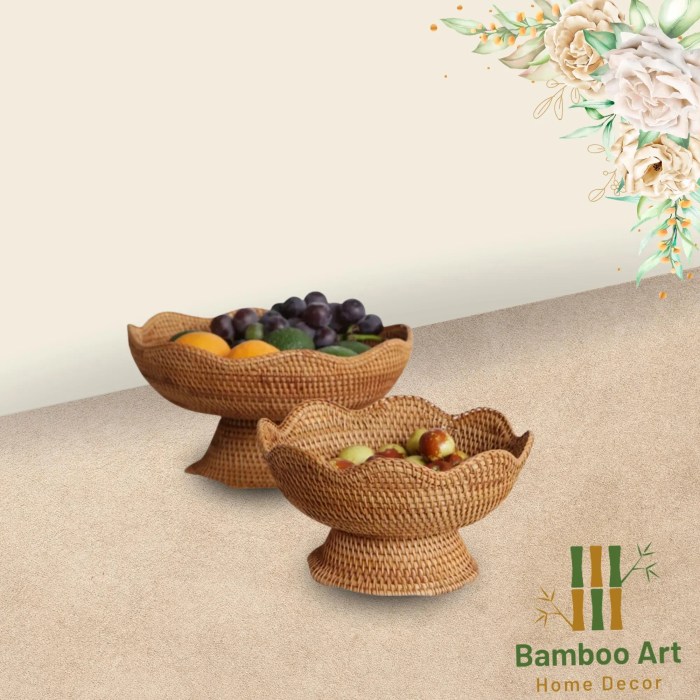
Handwoven fruit bowls, a testament to time-honored craftsmanship, transcend mere utility. Their intricate weaves and unique aesthetic appeal make them more than just containers for fruit; they become captivating focal points in any setting. From the rustic charm of bamboo to the elegant lines of rattan, these handcrafted bowls showcase the artistry of skilled artisans, offering a connection to tradition and beauty.
The variety of shapes, sizes, and materials allows for a tailored approach to complement any interior design style, highlighting the versatility of this timeless craft.
This comprehensive guide explores the world of handwoven fruit bowls, delving into their design, materials, construction, and cultural significance. We’ll examine the diverse weaving techniques employed, the historical context of these bowls, and the enduring appeal they hold in modern homes. Furthermore, the discussion will cover the sustainable practices of artisans, and how these beautiful pieces can be incorporated into contemporary design.
Ultimately, this exploration provides a deeper understanding of these captivating creations.
Handwoven Fruit Bowls
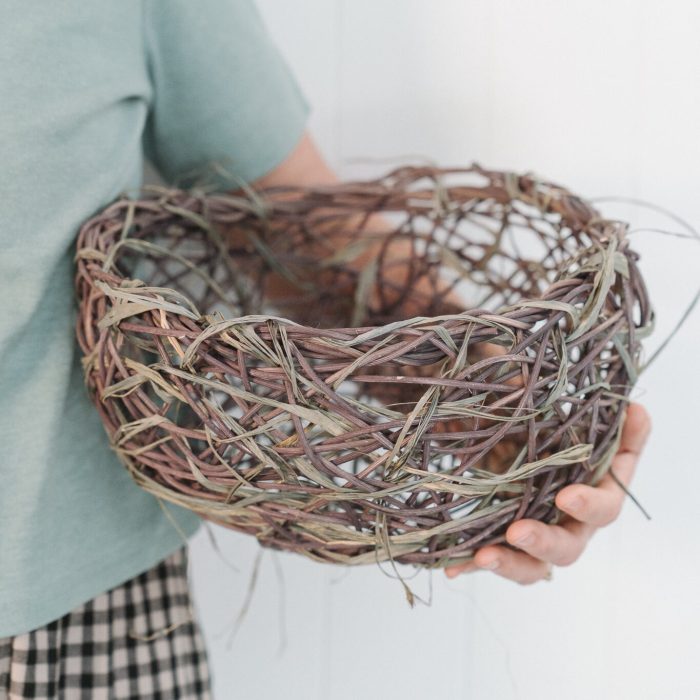
Handwoven fruit bowls, a testament to human ingenuity and artistry, offer a unique blend of aesthetic appeal and functional practicality. Their intricate patterns and textures often evoke a sense of warmth and tranquility, transforming a simple fruit display into a captivating centerpiece. Beyond their visual charm, these bowls frequently embody traditional craftsmanship and cultural heritage, making them more than just containers.Handwoven fruit bowls represent a diverse and beautiful craft, spanning a spectrum of materials, techniques, and cultural significances.
These bowls are not merely functional vessels; they are often imbued with historical and cultural meaning.
Materials Used
Handwoven fruit bowls are crafted from a variety of natural materials, each contributing to their unique character and aesthetic. The choice of material often reflects the region’s resources and cultural preferences. Common materials include:
- Bamboo: Known for its strength and natural appeal, bamboo provides a robust and versatile base for weaving. Its light color palette allows the intricacies of the weave to stand out.
- Rattan: With its flexibility and inherent strength, rattan is frequently used for creating intricate patterns and detailed designs. The pliable nature of rattan lends itself well to creating bowls with curved shapes.
- Paper: While less structurally robust than bamboo or rattan, paper offers a unique aesthetic possibility. Handcrafted paper, often dyed with natural pigments, can produce bowls with striking color combinations and textural variations.
- Other Natural Fibers: Various other natural fibers, such as reeds, vines, and grasses, are used, often depending on local availability and tradition. The use of these materials adds a touch of authenticity and individuality to the handwoven bowls.
Weaving Techniques
The techniques used to create handwoven fruit bowls vary significantly, influencing the visual appeal and structural integrity of the final product. These techniques are often passed down through generations, preserving cultural heritage and traditions.
- Plaiting: This technique involves interlacing strips of material to create a strong and patterned weave. The simplicity of the plaiting technique allows for rapid creation of basic shapes, often employed for larger bowls.
- Twining: This method involves wrapping one strand around another, creating a more complex and intricate pattern. Twining is often used for bowls requiring a more refined aesthetic, where the interwoven patterns are more visible.
- Basketry: Basketry techniques, encompassing a range of plaiting and twining methods, create a strong, often symmetrical structure. The basketry technique frequently results in bowls with more complex and decorative patterns, often incorporating various color combinations.
Cultural Significance
The handwoven fruit bowls are often deeply rooted in the cultures of various regions. Their creation frequently reflects local traditions and artistic expression. The use of specific materials and weaving techniques can be linked to specific cultural narratives and stories.
- Southeast Asia: In many Southeast Asian countries, handwoven fruit bowls are integral to daily life, often used for both practical and ceremonial purposes. The aesthetic and craftsmanship of these bowls are deeply connected to the region’s rich cultural history.
- Africa: Various African communities utilize a wide array of natural fibers for handwoven bowls, reflecting the abundance of local resources. These bowls are frequently used in rituals and ceremonies, embodying the region’s cultural and spiritual values.
- South America: The Andean region, for example, has a long tradition of handwoven crafts. The designs and patterns on the fruit bowls can tell stories of ancestral heritage, social status, or spiritual beliefs. The materials used, often locally sourced, contribute to the bowls’ unique character.
Design and Aesthetics
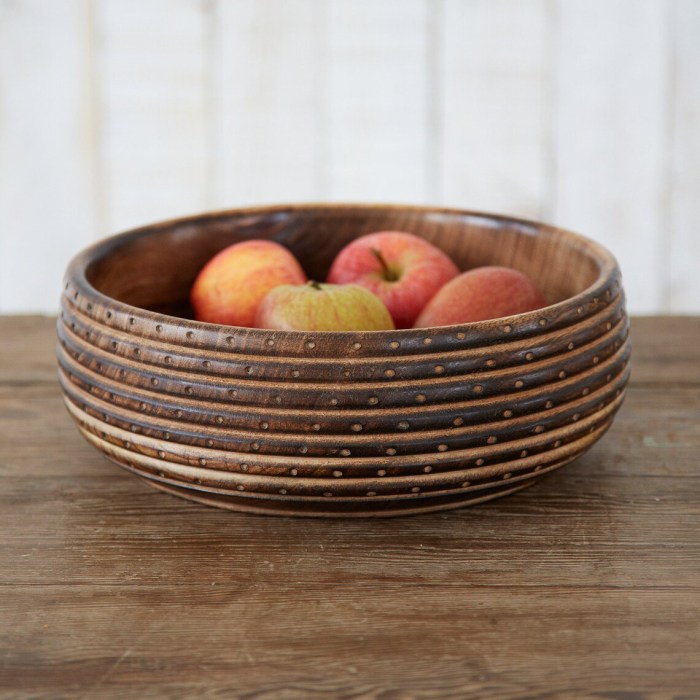
Handwoven fruit bowls, far from mere functional vessels, are compelling expressions of artistry and craftsmanship. Their design aesthetic is a key driver of their appeal, drawing on a spectrum of shapes, colors, and patterns to create unique and captivating pieces. This interplay of form and color, combined with the tactile nature of the weaving, contributes significantly to the overall visual and sensory experience.The artistry of handwoven fruit bowls transcends simple utility, enriching the dining experience through visual appeal.
These handcrafted pieces transform a common activity like enjoying fruit into a moment of aesthetic appreciation.
Shapes and Sizes
The diverse range of handwoven fruit bowls encompasses a wide variety of shapes, from the classic round to more intricate, organic forms. Cylindrical, oval, and even slightly angular shapes are not uncommon, adding to the variety. Sizes vary significantly, from compact bowls perfect for individual portions to larger, communal pieces ideal for family gatherings. This adaptability in size allows the bowls to fit seamlessly into different settings, whether a small side table or a large dining area.
Color Palettes and Patterns
Color palettes and patterns in handwoven fruit bowls are often inspired by natural elements and cultural traditions. Earthy tones like browns, greens, and creams are prevalent, evoking a sense of warmth and natural beauty. However, bolder colors like vibrant blues, reds, and yellows are also frequently incorporated, adding a touch of vibrancy and personality. The patterns themselves range from simple stripes and weaves to intricate geometric designs or more abstract interpretations, each reflecting the unique style of the weaver.
Role of Design Elements
Design elements, such as the choice of materials, the complexity of the weave, and the interplay of colors and shapes, significantly enhance the visual appeal of handwoven fruit bowls. The material itself, whether it’s a tightly woven raffia or a loosely structured bamboo, directly affects the visual weight and texture of the bowl. The intricate patterns woven into the bowl further elevate the piece’s aesthetic appeal.
The juxtaposition of colors and the overall shape create a harmonious visual experience.
Comparison of Design Styles
| Design Style | Characteristics | Examples |
|---|---|---|
| Modern | Clean lines, simple shapes, neutral color palettes, focus on functionality and minimal ornamentation. | A geometrically patterned, light-grey bowl with a slightly angular shape. |
| Traditional | Incorporates cultural motifs and patterns, often featuring natural tones, intricate weaves, and embellishments. | A round bowl with a traditional Indonesian batik pattern, featuring warm browns and oranges. |
| Minimalist | Emphasis on simplicity, using minimal design elements to maximize the beauty of the natural material. | A cylindrical bowl made from light-colored reeds, showcasing the natural texture of the material. |
Materials and Construction
Handwoven fruit bowls, prized for their artisanal charm and unique aesthetic, are crafted from a variety of materials. Their construction, a testament to meticulous handwork, involves specific techniques that dictate the bowl’s longevity and visual appeal. Understanding the materials and the construction process is crucial to appreciating the artistry and the inherent strengths and weaknesses of each.The meticulous selection of materials and the precise execution of the weaving process significantly impact the final product.
This involves careful consideration of factors such as durability, aesthetic appeal, and ease of maintenance. The interplay of these elements ultimately defines the bowl’s overall value proposition.
Common Materials
A variety of materials are used in the creation of handwoven fruit bowls, each contributing to the bowl’s distinctive character. Natural fibers like rattan, bamboo, and water hyacinth are frequently employed, offering a range of textures and colors. Synthetic materials like polypropylene or polyethylene are sometimes used, often for their strength and affordability.
Construction Process
The construction process of a handwoven fruit bowl is a complex and intricate procedure, typically involving several steps. Firstly, the chosen fibers are meticulously prepared and cut to the appropriate length. Subsequently, the weaver uses specific tools and techniques to interlace the fibers, creating a strong and aesthetically pleasing structure. This intricate process often involves precise knots and weaving patterns, ultimately forming the desired shape and size of the bowl.
Material Advantages and Disadvantages
The selection of materials significantly impacts the durability and maintenance requirements of handwoven fruit bowls. Natural materials like rattan, while possessing a warm aesthetic, may be more susceptible to moisture damage and require more meticulous care. Synthetic materials, conversely, are often more resistant to water damage but might not exhibit the same tactile appeal.
Durability and Maintenance Comparison
- Rattan: Rattan boasts a natural beauty and suppleness but is prone to warping or cracking if exposed to excessive moisture or temperature fluctuations. Regular cleaning with a damp cloth and occasional application of a protective sealant can extend its lifespan. Its organic nature also makes it susceptible to pests.
- Bamboo: Bamboo is a strong and durable material, resistant to moisture and insect infestations. It maintains its shape well and is easy to clean. However, bamboo can sometimes be more expensive than other materials.
- Water Hyacinth: Water hyacinth offers a unique texture and vibrant color palette. It’s relatively lightweight and water-resistant, making it suitable for outdoor use. However, it may require more frequent cleaning and maintenance to prevent the growth of mildew or mold.
- Synthetic Materials: Synthetic materials like polypropylene or polyethylene offer exceptional durability and resistance to moisture, pests, and temperature variations. They are generally easier to clean and maintain, making them a practical choice for high-traffic areas. However, their lack of natural beauty might limit their aesthetic appeal.
Water Resistance and Weight Comparison
| Material | Water Resistance | Weight |
|---|---|---|
| Rattan | Moderate | Medium |
| Bamboo | High | Medium |
| Water Hyacinth | High | Low |
| Polypropylene | Excellent | Medium |
Note: Water resistance ratings are relative and can vary based on specific weaving techniques and material quality. Weight comparisons are approximate and can vary based on the bowl’s size and dimensions.
Usage and Versatility
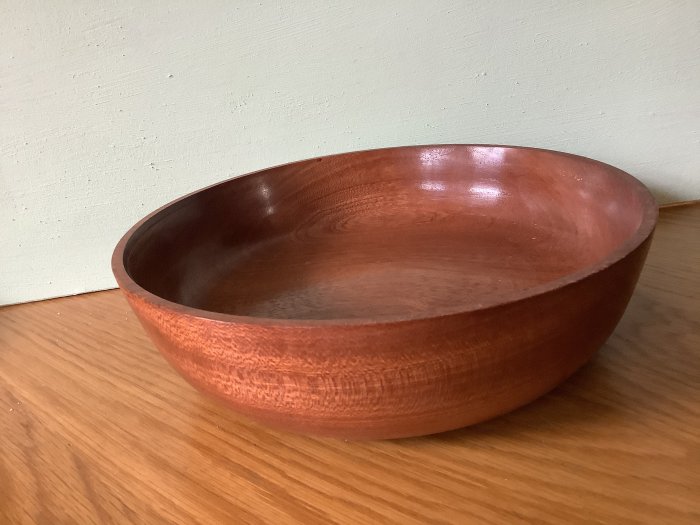
Handwoven fruit bowls transcend their functional role, transforming into decorative elements that enrich any space. Their versatility stems from the inherent artistry and the unique textures they bring to the table. This adaptability extends across diverse interior design styles, from modern minimalism to rustic charm, demonstrating their enduring appeal. Their usage is not limited to contemporary homes; they also carry a rich historical context, offering a glimpse into craftsmanship and tradition.Beyond their aesthetic appeal, handwoven fruit bowls offer a diverse range of uses.
Their natural materials and intricate designs allow for a multitude of placements, adding a unique touch to any setting. This adaptability is a significant factor in their appeal to contemporary homeowners, who often seek unique and handcrafted pieces that complement their style.
Contemporary Home Integration
Handwoven fruit bowls seamlessly integrate into contemporary homes. Their organic shapes and textures offer a calming contrast to sleek, modern lines. Placed on a minimalist coffee table, or nestled on a wooden console, these bowls can act as focal points. Consider pairing them with simple ceramic or glass serving dishes for a cohesive aesthetic. Natural light enhances the intricate weaving patterns, highlighting the artistry.
The unique color variations, a result of natural dyes or variations in the materials, create a warm and inviting atmosphere. In a living room, a woven bowl holding seasonal fruit adds a touch of nature to the space, while in a kitchen, it can be a centerpiece for displaying fresh produce or fruit.
Historical Context and Modern Adaptation
Handwoven fruit bowls possess a rich historical context, often representing generations of craftsmanship and tradition. They frequently served as practical containers in past centuries, storing fruits and vegetables, reflecting the agrarian roots of their creation. Modern adaptations incorporate these historical elements, yet redefine their use. These bowls are no longer confined to utility alone but serve as artfully crafted displays.
The integration of modern materials, such as polished wood or metal stands, adds a contemporary layer to the tradition. This fusion of history and modernity creates unique pieces that hold both functional and artistic value.
Display and Arrangement Techniques
The arrangement of handwoven fruit bowls significantly impacts their visual impact. A single bowl, positioned centrally on a table, can draw attention to its intricate weaving. Alternatively, grouping multiple bowls of varying sizes and textures can create a captivating display. The selection of the surrounding elements, such as the surface they are placed on and the other items in the vicinity, is vital to maximizing their aesthetic impact.
Consider using a woven tray or a wooden stand to add depth and dimension to the presentation. Lighting plays a critical role in enhancing the beauty of the handwoven patterns, highlighting the natural materials. Adding complementary colors to the display can also create visual interest and depth.
Interior Design Styles
Handwoven fruit bowls are adaptable to various interior design styles. In rustic-style homes, their natural materials and organic shapes enhance the overall theme. A bowl of apples and pears, positioned on a wooden shelf, perfectly blends with the warm tones and textures. Conversely, in a modern minimalist setting, the bowls can add a touch of handcrafted artistry.
A simple bowl of oranges, nestled on a sleek glass table, can provide a surprising touch of texture and color. In bohemian-style homes, the handcrafted nature of the bowls complements the free-flowing and eclectic design.
Care and Maintenance
Preserving the handcrafted beauty and longevity of handwoven fruit bowls requires meticulous care. Proper cleaning and maintenance techniques are crucial to ensuring these unique pieces remain cherished for years to come. This involves understanding the different materials used, as well as potential wear and tear.Maintaining the pristine condition of handwoven fruit bowls is vital for their aesthetic appeal and structural integrity.
This meticulous approach not only preserves the inherent beauty of the craftsmanship but also extends the lifespan of these valuable pieces.
Cleaning Methods and Techniques
Effective cleaning methods vary based on the materials used in the bowl’s construction. A gentle approach is key to preventing damage to the delicate weaves and natural fibers. Harsh chemicals or abrasive tools should be avoided. Rinsing with cool water and a soft cloth is often sufficient for everyday cleaning.
Addressing Potential Wear and Tear
Over time, handwoven fruit bowls may exhibit signs of wear and tear, such as minor fraying or discoloration. Proactive measures can often mitigate these issues. Avoiding placing heavy objects directly on the bowl is a primary preventative measure. Regular inspection for signs of stress or damage is equally important. Proper handling and storage also contribute to the longevity of these pieces.
Cleaning Guide for Different Materials
| Material | Cleaning Method | Frequency | Notes |
|---|---|---|---|
| Natural Fibers (e.g., jute, rattan, bamboo) | Rinse with cool water, gently wipe with a soft cloth. Avoid harsh chemicals or abrasive sponges. | Daily or as needed | Spot clean spills immediately to prevent staining. |
| Woven Metal (e.g., copper, brass) | Use a soft cloth dampened with a mild dish soap solution. Rinse thoroughly and dry immediately. | Weekly or bi-weekly | Avoid using abrasive cleaners or scouring pads, which can damage the finish. |
| Woven Synthetic Materials (e.g., polypropylene, nylon) | Mild soap and water solution, rinse thoroughly, and air dry. | Weekly or as needed | Avoid excessive heat or prolonged exposure to direct sunlight, as these can affect the material’s properties. |
| Woven Plant-Based Materials (e.g., dried leaves, flowers) | Gently brush off any debris. Use a damp cloth with a mild soap solution to clean the bowl. | Weekly or as needed | Handle with care, as these materials can be delicate. |
Cultural Significance
Handwoven fruit bowls, far from being mere utilitarian objects, often hold deep cultural significance, reflecting the traditions, beliefs, and aesthetics of specific communities. Their presence in homes and ceremonies underscores the vital role these handcrafted pieces play in everyday life and cultural expression. The artistry and craftsmanship embedded within each bowl tell stories of generations past and present.Beyond their practical function, these bowls embody cultural values and narratives, sometimes symbolizing prosperity, abundance, or even spiritual connections.
This cultural context adds another layer of appreciation and understanding to the beauty and functionality of these handcrafted treasures.
Cultural Context and Traditions
The cultural significance of handwoven fruit bowls varies greatly depending on the region and the specific weaving techniques employed. In some cultures, the bowls might be intricately decorated with patterns reflecting local folklore, myths, or historical events. The colors used in the weaving often hold symbolic meaning, relating to specific occasions, ceremonies, or social status. These nuances in design and construction distinguish the bowls from mere containers, elevating them to objects of cultural importance.
Examples of Historical or Traditional Handwoven Fruit Bowls
Numerous examples of historical and traditional handwoven fruit bowls exist, each a unique reflection of its cultural context. In Andean communities, intricate designs on handwoven bowls often depict symbolic animals or natural elements, embodying the region’s rich cultural heritage. Similarly, indigenous communities in Southeast Asia may use specific weaving patterns and materials to create bowls that serve as essential elements in traditional ceremonies.
Furthermore, the Maori of New Zealand have developed unique weaving techniques that create bowls with distinct visual aesthetics, steeped in their cultural history. These examples highlight the wide range of designs and materials used across different cultures.
Comparison with Other Handcrafted Containers
Compared to other handcrafted containers, handwoven fruit bowls often possess a unique aesthetic and cultural context. While pottery or ceramic bowls might focus on the form and texture of the material, handwoven bowls often emphasize the intricate patterns and textures produced by the weaving process. This focus on the craftsmanship and the underlying cultural narratives distinguishes handwoven bowls, giving them a unique position within the broader category of handcrafted containers.
Role in Ceremonies and Everyday Life
Handwoven fruit bowls play a multifaceted role, encompassing both ceremonial and everyday uses. In many cultures, these bowls are central to celebratory gatherings, serving as containers for offerings to deities or blessings for the community. They might also be used in everyday life, symbolizing the importance of sharing food and connecting with family and friends. This dual role highlights the cultural importance of these bowls in maintaining social connections and celebrating traditions.
Market Trends and Demand
Handwoven fruit bowls are experiencing a resurgence in popularity, driven by a growing appreciation for artisanal crafts and sustainable products. This trend aligns with broader consumer desires for unique, handcrafted items that reflect a connection to tradition and craftsmanship. The market is responding favorably to the aesthetic appeal and perceived quality of these bowls, positioning them as both functional and decorative pieces.The increasing demand for handwoven fruit bowls is multifaceted.
Consumers are drawn to the inherent beauty and artistry in the intricate weaving patterns, often reflecting regional or cultural traditions. These bowls are perceived as valuable additions to both modern and traditional interiors, adding a touch of character and personality. Furthermore, the handmade nature of these bowls resonates with environmentally conscious consumers, who value the sustainable and ethical production methods.
Current Market Trends
The handwoven fruit bowl market is experiencing a strong growth trajectory. This is fueled by the rising popularity of sustainable and handcrafted products among affluent consumers. The trend of supporting small-scale artisans and promoting local crafts is driving demand. Furthermore, the versatile design options available cater to a broad range of aesthetic preferences.
Popularity Among Consumers
Handwoven fruit bowls appeal to a diverse consumer base, including those who appreciate the craftsmanship and design aesthetic, and those seeking sustainable and ethically produced home decor. The aesthetic versatility of these bowls allows them to integrate seamlessly into a wide range of interior styles. This adaptability further fuels their appeal to a broader consumer segment. Surveys and market research consistently indicate a positive reception to the uniqueness and quality of handwoven fruit bowls.
Demand in Different Markets
Demand for handwoven fruit bowls varies across different markets, reflecting regional preferences and economic conditions. Asia, particularly Southeast Asia, has a strong historical connection to handwoven textiles and traditional crafts, resulting in significant demand in these regions. The United States and European markets are also witnessing a growing interest, driven by the appeal of artisanal goods and sustainable practices.
Market data consistently show that demand for these bowls is growing in urban centers with higher disposable incomes.
Recent Collections and Designs
Contemporary collections of handwoven fruit bowls are showcasing a variety of styles. Some collections feature intricate geometric patterns, while others employ natural color palettes, showcasing the raw beauty of the materials. Recent designs often incorporate modern interpretations of traditional weaving techniques, creating unique and eye-catching pieces. These designs often showcase the interplay of different textures and patterns, reflecting the diverse skill sets of the artisans involved.
Collections frequently highlight the use of locally sourced materials, further emphasizing the sustainability aspect of the product.
Sustainability and Ethics
Handwoven fruit bowls, prized for their aesthetic appeal and craftsmanship, are increasingly viewed through a lens of sustainability. Artisan producers are recognizing the need to incorporate ethical and environmentally conscious practices into their craft, from material sourcing to production methods. This shift reflects a growing global demand for products that minimize their environmental impact while supporting fair labor practices.The production of handwoven fruit bowls can be a complex interplay of tradition and innovation, and the pursuit of sustainable practices is a key part of this evolving landscape.
Ethical sourcing, material choices, and production methods are all crucial elements in determining the environmental footprint of these handcrafted objects.
Sustainability Practices of Handwoven Fruit Bowl Artisans
Artisans are adopting various practices to minimize their environmental footprint. These include utilizing locally sourced materials, reducing waste during production, and employing techniques that conserve resources. Some artisans are actively involved in reforestation initiatives to replenish the supply of raw materials, like bamboo or reeds, used in their work. This demonstrates a commitment to responsible resource management and a long-term perspective for their craft.
Ethically Sourced Materials
The use of ethically sourced materials is crucial in ensuring the sustainability of the handwoven fruit bowl industry. Examples include:
- Bamboo: Rapidly renewable and strong, bamboo offers an excellent alternative to traditional hardwoods, reducing the pressure on forests. Sustainable bamboo farms and plantations are emerging, providing a reliable and ethical supply of this material.
- Recycled Plastic: Innovative artisans are experimenting with incorporating recycled plastic fibers into their weaving techniques, turning waste materials into beautiful and functional bowls. This reduces landfill waste and demonstrates resourcefulness in material use.
- Natural Fibers: Using natural fibers like jute, sisal, or abaca, all of which are often harvested sustainably, reduces reliance on synthetic materials and minimizes environmental impact.
Environmental Impact Comparison
Handwoven fruit bowls can offer a more sustainable alternative to mass-produced, industrially manufactured fruit bowls. Their relatively low carbon footprint stems from the localized sourcing of materials, smaller production scale, and the inherent efficiency of traditional craft methods. However, the specific environmental impact varies greatly depending on the materials used and the artisan’s practices.
Environmental Footprint of Different Materials
| Material | Environmental Footprint (Estimated, based on lifecycle assessment factors like resource use, manufacturing emissions, and waste generation) | Sustainability Considerations |
|---|---|---|
| Bamboo | Low | Rapidly renewable, low water usage in cultivation, potential for carbon sequestration |
| Recycled Plastic | Medium (dependent on recycling process and plastic type) | Reduces landfill waste, requires careful selection of recycled plastic to ensure quality and durability |
| Jute | Low | Natural fiber, often grown sustainably, potential for biodegradability |
| Wood (hardwoods) | High | Requires sustainable forestry practices to ensure responsible harvesting and reforestation |
| Synthetic Plastics (polypropylene, etc.) | High | Non-biodegradable, significant carbon footprint throughout their lifecycle |
“A comprehensive lifecycle assessment of handwoven fruit bowls, considering factors like material sourcing, production processes, and transportation, is needed to gain a more nuanced understanding of their overall environmental impact.”
Modern Interpretations
Handwoven fruit bowls, a craft steeped in tradition, are experiencing a resurgence of interest, with contemporary designers injecting fresh perspectives. This evolution reflects a broader trend in artisanal goods, where heritage techniques are reimagined for modern sensibilities. The appeal lies in the balance between honoring the craft’s history and creating pieces that resonate with contemporary aesthetics and lifestyles.Modern adaptations of handwoven fruit bowls aren’t merely stylistic tweaks; they represent a deeper engagement with materiality, form, and function.
These reinterpretations often challenge conventional notions of what a fruit bowl can be, pushing boundaries of both design and craftsmanship.
Contemporary Designs and Styles
Modern handwoven fruit bowls exhibit a remarkable diversity in design and aesthetic choices. From minimalist forms emphasizing clean lines and geometric patterns to more elaborate pieces incorporating vibrant colours and intricate textures, the spectrum of styles is broad. This variety caters to diverse tastes and interior design preferences.
Innovative Approaches to Creation
Contemporary artisans are exploring innovative approaches to handwoven fruit bowl creation, integrating new materials and techniques. The use of unconventional fibers, such as recycled materials or specialty yarns, adds unique visual interest and reflects a growing commitment to sustainability. Experimentation with weaving techniques, including intricate knotting and double-weaving, elevates the craftsmanship and creates distinctive patterns and textures.
Reimagining the Fruit Bowl
Modern artists and designers are reimagining the handwoven fruit bowl, moving beyond its traditional role as a simple vessel. Some are incorporating elements of sculptural design, creating pieces that are as visually striking as they are functional. Others are focusing on the bowl’s interaction with light and shadow, playing with transparency and opacity to create dynamic displays.
Blending Traditional and Contemporary Aesthetics
The most compelling modern interpretations often blend traditional weaving techniques with contemporary aesthetics. This fusion allows for a harmonious dialogue between past and present, creating pieces that are both historically significant and visually appealing. Examples include a fruit bowl crafted from recycled silk thread woven into a modern geometric pattern or a bowl featuring a traditional Peruvian knotting technique but showcasing a minimalist colour palette.
Ending Remarks
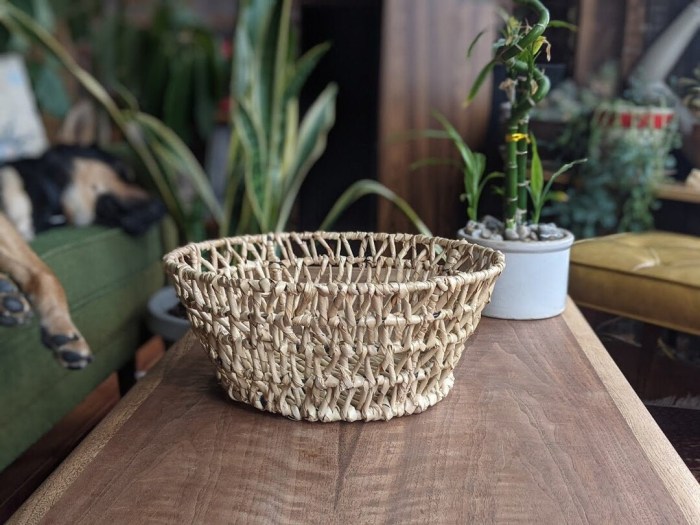
In conclusion, handwoven fruit bowls represent a fusion of artistry, tradition, and sustainability. Their enduring appeal lies not only in their aesthetic beauty but also in the cultural heritage they embody. From the intricate weaving techniques to the carefully selected materials, each bowl tells a story. The exploration of design styles, materials, and cultural contexts reveals the rich tapestry woven into these handcrafted treasures.
Ultimately, these bowls offer a compelling blend of beauty, function, and cultural significance.