
Japanese garden tools, more than mere implements, are imbued with a profound aesthetic. Their design, honed over centuries, reflects a deep respect for nature and a meticulous attention to detail. From the carefully chosen materials to the precise forms, each tool speaks to the philosophy of simplicity, harmony, and naturalism that underpins Japanese gardens. This exploration delves into the history, aesthetics, and craftsmanship behind these captivating instruments.
Beyond their practical function, these tools offer a glimpse into the rich cultural heritage of Japan. Their enduring appeal lies not only in their ability to cultivate beauty but also in their embodiment of a timeless aesthetic that continues to inspire modern interpretations.
Historical Context
Japanese garden tools, more than mere implements, are imbued with centuries of cultural significance, reflecting evolving aesthetics and craftsmanship. Their design, often minimalist yet exquisitely functional, speaks volumes about the societal values and philosophical ideals of the time. From the delicate artistry of pruning shears to the robust strength of digging tools, each piece tells a story of the enduring connection between humans and nature.These tools are not simply functional objects; they are integral components of a larger cultural narrative.
The meticulous attention to detail in their creation speaks to a reverence for both the natural world and the skills of the artisan. Their historical evolution reflects a continuous dialogue between human ingenuity and the inherent beauty of the Japanese aesthetic.
Evolution of Materials
The materials used in crafting Japanese garden tools have evolved over time, reflecting technological advancements and shifting priorities. Early tools often relied on readily available materials, while later periods saw the introduction of more sophisticated and durable options. This evolution mirrors broader trends in Japanese metalworking and craftsmanship.
| Material | Period | Key Characteristics |
|---|---|---|
| Bronze | Ancient Period | Often used for ceremonial tools; characterized by intricate designs and symbolism. Bronze’s durability and ability to hold a sharp edge made it ideal for tasks requiring precision. |
| Iron | Medieval Period | The introduction of iron marked a significant shift, allowing for stronger and more versatile tools. This was a period of increasing sophistication in tool design and the development of specialized tools for specific tasks. |
| Steel | Edo Period | Advancements in steel production led to tools with exceptional sharpness and durability. The use of hardened steel allowed for finer detail work in pruning and shaping. This era also saw the refinement of techniques for tempering and forging, enhancing the longevity and performance of the tools. |
| Wood | All Periods | Wood handles, often crafted from specific types of hardwood, provided a comfortable grip and balanced the weight of the tool. The choice of wood type often reflected regional availability and the desired tactile experience. |
Cultural and Societal Influences
The design and craftsmanship of Japanese garden tools were deeply intertwined with the prevailing cultural and societal values of each period. Buddhist principles of harmony with nature, the aesthetic ideals of Zen Buddhism, and the emphasis on simplicity and elegance all played a significant role.
- Zen Influence: The emphasis on simplicity and minimalism in Zen gardens directly influenced the design of tools. The focus was on functionality, elegance, and the creation of a sense of balance and harmony.
- Craftsmanship Traditions: The highly developed traditions of Japanese metalworking and woodworking were instrumental in the creation of exquisite garden tools. The meticulous attention to detail and the pursuit of perfection are deeply embedded in the craft.
- Social Hierarchy: The status and prestige associated with skilled artisans were reflected in the craftsmanship of these tools. The design and materials often served as a visible marker of the artisan’s skill and the social standing of the patron.
Famous Japanese Garden Tools and Their Context
Certain Japanese garden tools have achieved iconic status, their design and historical context serving as enduring symbols of the country’s rich cultural heritage.
- Ken-Zui: This type of hand saw, traditionally crafted from hardened steel, demonstrates the commitment to precise cutting. The tools’ evolution over centuries highlights the progression of metalworking techniques and aesthetic refinement. Their form and function are deeply embedded in the culture of Japanese landscape gardening.
- Niwashi-bashi: This type of small shovel is indicative of the focus on detail in Japanese garden design. Its delicate form and precision suggest the importance of meticulously crafting spaces, reflecting the philosophical underpinnings of Japanese aesthetics.
Aesthetic Principles
Japanese garden tools, far from mere functional objects, embody profound aesthetic principles, mirroring the meticulous artistry of the gardens themselves. These tools, crafted with a deep respect for nature, reflect a philosophy of simplicity, harmony, and naturalism, transforming the act of gardening into a meditative practice. The selection of materials, the design details, and the overall form all contribute to a holistic aesthetic experience.The design and function of Japanese garden tools are deeply intertwined with the aesthetic principles of the gardens they serve.
The philosophy ofwabi-sabi*, emphasizing the beauty of imperfection and the transient nature of things, is evident in the subtle nuances of the tools’ construction. This aesthetic sensibility pervades the entire gardening process, creating a visual and tactile experience that resonates with the inherent beauty of the natural world.
Simplicity
The aesthetic of simplicity in Japanese gardens is characterized by a deliberate avoidance of excess. This principle is manifested in the design of tools, which often feature clean lines, minimal ornamentation, and a focus on essential form. The tools are crafted with a refined attention to detail, highlighting the inherent beauty of the materials rather than obscuring them with elaborate decorations.
This focus on the inherent beauty of natural materials is a key aspect of the aesthetic experience.
Harmony
Harmony in Japanese gardens is achieved through a careful balance of elements, ensuring a seamless integration of the built environment with the natural world. Japanese garden tools, reflecting this principle, are meticulously crafted to blend seamlessly with the natural landscape. Their form and function are designed to complement the environment, creating a harmonious relationship between human intervention and the natural world.
This harmonious relationship extends to the material used in the tools, which often match the natural surroundings.
Naturalism
Naturalism in Japanese gardens prioritizes the natural forms and materials found in nature. Japanese garden tools are crafted from natural materials, like wood, bamboo, and stone, reflecting the inherent beauty and strength of the natural world. The tools’ design often mimics the shapes and textures of these materials, further emphasizing their connection to nature. The emphasis on natural materials and forms in the tools reinforces the concept of harmony between humans and nature.
Material Aesthetics
The selection of natural materials for Japanese garden tools is not merely practical; it’s deeply intertwined with the aesthetic experience. Wood, with its unique grain patterns and variations in color, is often chosen for its inherent beauty. Bamboo, with its strength and flexibility, is another highly valued material, used for its elegant form and natural textures. Stone, a durable and enduring material, is often used for tools requiring longevity and resilience.
The natural qualities of these materials, unadulterated by human intervention, are seen as sources of beauty.
Comparison with Other Cultures
Japanese garden tools stand in contrast to those of other cultures in their emphasis on simplicity, harmony, and naturalism. Western garden tools, for example, often feature more elaborate designs and decorative elements, reflecting a different aesthetic sensibility. The focus on functionality and practicality in Western design sometimes overshadows the appreciation for the inherent beauty of the materials. The Japanese approach emphasizes a deeper connection between the tool and the natural world.
Key Aesthetic Principles of Japanese Gardens and Their Connection to Tools
| Principle | Description | Tool Example |
|---|---|---|
| Simplicity | Clean lines, minimal ornamentation, focus on essential form. | A simple, wooden rake with a natural wood handle. |
| Harmony | Careful balance of elements, seamless integration with nature. | A pair of meticulously crafted hand shears with a bamboo handle, complementing the garden’s natural palette. |
| Naturalism | Prioritizes natural forms and materials. | A stone-carved hoe, reflecting the textures and patterns of natural stone. |
Material Selection
Japanese garden tools, imbued with a spirit of meticulous craftsmanship, often utilize materials that embody both practicality and aesthetic harmony. The selection of materials reflects the philosophy of the garden itself, emphasizing natural beauty and durability. The choices made for handles, blades, and other components are deeply intertwined with the overall aesthetic and functional integrity of the tools.The properties of the materials used for Japanese garden tools are meticulously considered.
From the strength of steel to the flexibility of bamboo, each element contributes to the tool’s intended function and its aesthetic appeal. The mastery of working with these materials is paramount, demanding a deep understanding of their individual characteristics and the skills to transform them into beautiful and effective tools.
Steel
Steel, a vital component in Japanese garden tools, is often chosen for its hardness and sharpness. High-carbon steel, known for its resilience and ability to maintain a keen edge, is frequently employed in blade construction. The precise forging and tempering techniques employed in the creation of these blades are critical to achieving the desired balance of hardness and flexibility.
The polished surface of well-crafted steel tools often reflects light, adding a subtle sheen to the garden. The superior cutting ability of steel allows for precise and controlled work in shaping and trimming plants.
Wood
Wood, particularly hardwoods like Japanese cherry or maple, is frequently selected for handles due to its strength, durability, and natural beauty. The smooth, grain-patterned surface of the wood adds a tactile element to the tool, enhancing the user’s experience. The weight and balance of the handle are carefully considered to ensure ergonomic comfort and control during extended use.
Different woods offer varying degrees of weight and feel, contributing to the individual character of each tool.
Bamboo
Bamboo, a renewable resource, provides an elegant and strong alternative for handles. Its natural flexibility and strength make it suitable for tools requiring a certain degree of suppleness, while its light weight contributes to a comfortable grip. The distinctive natural patterns and textures of bamboo add an aesthetic dimension to the tools. Bamboo handles, especially when treated with a protective finish, offer a pleasing tactile experience and a unique visual quality.
Craftsmanship
The significance of craftsmanship in selecting and working with these materials cannot be overstated. Master artisans, with generations of knowledge and experience, are responsible for the careful selection of materials, the precision of the forging and shaping processes, and the final aesthetic refinement. The artistry involved in transforming raw materials into functional and beautiful tools is a testament to the enduring traditions of Japanese craftsmanship.
Material Comparison
| Material | Pros | Cons | Suitability |
|---|---|---|---|
| Steel | High hardness, sharpness, durability, precision cutting | Can be brittle if not properly tempered, can be heavy | Blades, tools requiring precision and sharpness |
| Wood | Strength, durability, natural beauty, comfortable grip | Susceptible to moisture damage, can be heavier compared to bamboo | Handles, components needing durability and balance |
| Bamboo | Light weight, flexibility, natural beauty, renewable resource | Can be prone to splitting, moisture absorption, less durable than steel or wood | Handles for tools requiring flexibility, lighter weight |
Form and Function
Japanese garden tools, meticulously crafted for centuries, embody a profound connection between form and function. Their design, informed by aesthetic principles and practical necessity, reflects a deep respect for nature and a commitment to harmonious interaction with the garden. This intricate relationship shapes not only the tools’ appearance but also their ability to maintain and cultivate the unique aesthetic of a Japanese garden.Beyond mere utility, these tools are integral components of the overall garden experience, serving as extensions of the gardener’s hand and embodying the spirit of mindful cultivation.
Their form, often sculpted with a refined beauty, complements the delicate balance of the garden itself.
Specific Forms and Functions of Japanese Garden Tools
Japanese garden tools are not simply instruments for work; they are artistic expressions that enhance the garden’s aesthetic. Their specific forms directly relate to the tasks they perform. Their unique design characteristics distinguish them from tools used in other garden styles.
- Ho (Hoe): The ho, often crafted from hardened steel, features a wide, flat blade for efficient soil preparation. Its shape facilitates tilling and leveling, crucial for creating the smooth surfaces and defined borders characteristic of Japanese gardens. The flat blade allows for precise control over soil movement, while the overall form of the ho provides a balance between strength and maneuverability.
- Kashiba (Garden Knife): The kashiba is a versatile tool used for a range of tasks, from trimming plants to shaping stonework. Its sharp, pointed blade allows for precise cutting and shaping, crucial for maintaining the garden’s delicate balance. The form of the kashiba, with its focused blade, enables the meticulous attention to detail essential in a Japanese garden.
- Ono (Japanese Axe): The ono, often forged from high-carbon steel, is a powerful tool used for larger tasks like chopping branches or shaping logs. Its distinctive, broad head and sharp edge are tailored to the specific needs of shaping and preparing materials for garden construction. The heavy form and sharp edge of the ono are essential for the substantial work involved in creating and maintaining the landscape elements of a Japanese garden.
Relationship Between Form and Function
The form of each tool is meticulously designed to enhance its functionality within the context of a Japanese garden. The balance between aesthetics and utility is paramount.
“The beauty of a Japanese garden tool lies not only in its form but also in its ability to perform its intended task with precision and efficiency.”
The relationship between form and function isn’t simply a practical matter; it’s deeply rooted in the philosophy of 侘び寂び (wabi-sabi), emphasizing the beauty of imperfection and natural simplicity. This philosophy extends to the tools themselves, with their functional form reflecting a reverence for the natural world.
Unique Features Distinguishing Japanese Garden Tools
Several unique features distinguish Japanese garden tools from their counterparts in other styles.
- Shizuka (Quietness): Japanese tools are often designed for a quiet operation, reflecting the importance of tranquility in the garden setting. This is achieved through the careful selection of materials and the precise shaping of the tools. The design of the handle and blade minimize noise, further enhancing the peaceful ambiance.
- Minimalist Design: Japanese garden tools exhibit a minimalist aesthetic, emphasizing simplicity and functionality over ornamentation. The focus is on achieving a harmonious balance between form and function.
- Hand-Forged Craftsmanship: The crafting of Japanese garden tools often involves hand-forging techniques, resulting in a unique texture and feel that reflects the artisan’s skill. The hand-forged tools showcase the artistry involved in creating the tools.
Practical Applications in Japanese Garden Maintenance
The specific forms and functions of Japanese garden tools are directly relevant to the practical aspects of maintaining and creating a Japanese garden.
- Soil Preparation: Tools like the ho are essential for preparing the soil, creating the level surfaces and defined borders essential to the aesthetic. The precise control offered by the tool ensures the desired level and texture of the soil.
- Plant Care: The kashiba allows for precise pruning and shaping of plants, essential for maintaining the desired forms and densities in a Japanese garden. The ability to prune and shape plants ensures the growth of plants conforms to the design.
- Stonework Maintenance: The ono is used to shape and prepare stonework, essential for constructing and maintaining the garden’s hardscape. The careful shaping and placing of stones is a vital part of Japanese garden design.
Table of Japanese Garden Tools
| Tool | Name | Function |
|---|---|---|
| Shovel | Hashira-shovel | Digging and moving soil |
| Hoe | Ho | Tilling and leveling soil |
| Garden Knife | Kashiba | Trimming plants, shaping stonework |
| Axe | Ono | Chopping branches, shaping logs |
Craftsmanship and Design
Japanese garden tools are more than just implements; they are works of art, reflecting centuries of refined craftsmanship. The meticulous attention to detail, the mastery of materials, and the deep-seated respect for tradition all contribute to the enduring aesthetic appeal and functional excellence of these tools. The design, often dictated by the specific function, is seamlessly integrated with the material’s inherent qualities, creating a harmonious blend of form and purpose.The creation of these tools is not merely a manufacturing process; it is a testament to the dedication and skill of the artisan.
Each step, from material selection to the final polish, is imbued with a profound understanding of the material’s properties and the tool’s intended use. This understanding is passed down through generations, ensuring the continuity of traditional techniques and the enduring quality of the tools.
Traditional Craftsmanship
The essence of Japanese garden tools lies in their meticulous craftsmanship. Artisans meticulously select high-quality materials, recognizing their inherent characteristics and potential for achieving the desired aesthetic and functional qualities. This selection often prioritizes durability, balance, and a pleasing aesthetic. For example, the use of hardened steel ensures longevity, while the shaping and polishing processes create a sense of refinement and beauty.
Techniques and Processes
The creation of Japanese garden tools involves a complex series of techniques, each demanding immense skill and precision. These techniques include forging, shaping, and polishing, with each step contributing to the tool’s unique character. For instance, forging involves heating and hammering the metal to achieve the desired shape and strength. This process is not merely about achieving the correct form; it is also about sculpting the metal’s grain to enhance its qualities.
The shaping process, which often involves intricate carvings and embellishments, further enhances the tool’s aesthetic appeal. The final polishing stage is crucial, imparting a smooth, polished surface that complements the tool’s overall design and enhances its aesthetic appeal.
The Role of the Artisan
The artisan plays a pivotal role in shaping both the aesthetic and functional aspects of Japanese garden tools. Their profound understanding of materials, coupled with their mastery of traditional techniques, allows them to create tools that are not only functional but also visually compelling. The artisan’s hand, imbued with generations of knowledge and experience, is deeply connected to the tool’s creation, imbuing it with a unique character and a sense of history.
Distinctive Qualities of Japanese Craftsmanship
Japanese craftsmanship in garden tool design is characterized by several distinctive qualities. These qualities include:
- Precision and Accuracy: The tools are meticulously crafted, with every detail precisely shaped and finished. This attention to minute details is evident in the perfect balance and the precise angles of the blades. This precision ensures both aesthetic appeal and functional efficiency.
- Harmony of Form and Function: The design of the tools seamlessly integrates form and function. The tools’ shape and aesthetics are directly related to their intended use, creating a perfect balance between utility and beauty. For instance, a rake’s shape is tailored for effective leaf removal, yet its form is aesthetically pleasing.
- Respect for Materials: The artisan’s deep understanding of the material’s properties is apparent in the selection and treatment of the materials. The tools often showcase the inherent beauty of the metal, highlighting its texture and color through meticulous finishing techniques. The tools are designed to last for generations.
- Emphasis on Simplicity: The design of Japanese garden tools often emphasizes simplicity, avoiding unnecessary ornamentation. The focus is on functionality and a natural aesthetic, allowing the tool’s inherent beauty to shine.
Crafting Techniques Table
| Technique | Description | Visual Representation |
|---|---|---|
| Forging | Heating and hammering metal to shape and strengthen it. | Imagine a blacksmith using a hammer to shape a piece of heated steel into a specific form. |
| Carving | Sculpting intricate patterns and designs onto the tool’s surface. | A finely detailed carving of a pattern on a garden tool’s handle. |
| Polishing | Smoothing and refining the tool’s surface to a high luster. | A highly polished blade that reflects light, showcasing its smooth surface. |
| Heat Treating | Controlling the heating and cooling process to harden the steel, enhancing durability. | A visual representation of the metal undergoing a precise heating and cooling cycle in a furnace. |
Modern Interpretations
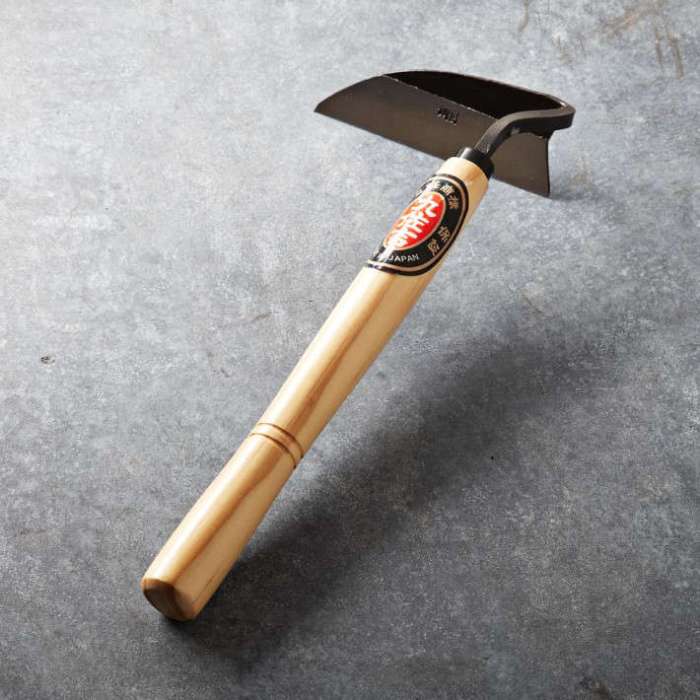
Contemporary designers are breathing new life into traditional Japanese garden tools, reimagining their aesthetic and functionality for the modern era. This evolution reflects a nuanced understanding of both the historical context and the contemporary demands of the garden landscape. Modern interpretations demonstrate a departure from strict adherence to historical forms, instead embracing innovation while honoring the core principles of craftsmanship and functionality.Modern artisans are reinterpreting these tools through a lens of both tradition and innovation.
They are exploring new materials and techniques while retaining the elegance and precision of traditional Japanese design principles. This adaptability allows the tools to remain relevant in contemporary gardens, while also showcasing the enduring appeal of Japanese aesthetics.
Contemporary Material Selection
The choice of materials for modern Japanese garden tools reflects a commitment to sustainability and a willingness to experiment with innovative options. Traditional materials like steel and wood remain popular, but modern artisans are also incorporating high-performance polymers and composites. These materials can offer enhanced durability, corrosion resistance, and lighter weight, making them more practical for contemporary use.
For instance, some tools are now made with recycled materials, further emphasizing sustainability. The aesthetic consideration, however, remains paramount, ensuring that the material’s characteristics complement the traditional form.
Contemporary Form and Function
Modern interpretations of form and function prioritize practicality and ease of use in contemporary gardens. While maintaining the traditional aesthetic principles of balance and harmony, modern designs often incorporate ergonomic enhancements to reduce strain during use. This focus on user experience demonstrates a deep understanding of the practical needs of contemporary gardeners. For example, some tools are designed with adjustable components, allowing for greater versatility in various garden tasks.
Contemporary Craftsmanship and Design
The craftsmanship in modern Japanese garden tools showcases the enduring dedication to quality and detail. Artisans carefully consider the balance between traditional techniques and modern design principles. This meticulous approach ensures that each tool is not only functional but also aesthetically pleasing. Furthermore, the use of advanced manufacturing techniques, like CNC machining, is becoming more prevalent, enabling precision and intricate details.
However, the focus remains on the manual dexterity and attention to detail that defines traditional Japanese craftsmanship.
Examples of Modern Interpretations
Several modern interpretations of Japanese garden tools exemplify this blending of tradition and innovation. One notable example involves the use of lightweight, yet durable, carbon fiber in rakes, creating a modern alternative to traditional wooden rakes while retaining the aesthetic appeal. Another example includes incorporating LED lighting into small hand tools, offering improved visibility for tasks in low-light conditions.
Evolution of Design Elements
The evolution of design elements in modern Japanese garden tools reflects a dynamic interplay between tradition and innovation. The emphasis on minimalism and simplicity remains, but designers are exploring new ways to incorporate these principles into contemporary designs. For instance, the integration of innovative materials like titanium and ceramic enhances the tools’ aesthetic and functional appeal.
Comparison of Traditional and Modern Interpretations
| Feature | Traditional | Modern |
|---|---|---|
| Material | Steel, wood, bamboo | Steel, wood, polymers, composites, recycled materials |
| Form | Symmetrical, organic shapes, emphasis on natural lines | Symmetrical and organic shapes with ergonomic enhancements, adjustable components |
| Function | Primarily for traditional gardening tasks | Designed for contemporary gardening tasks with increased versatility and ease of use |
| Craftsmanship | Manual, meticulous attention to detail, emphasis on traditional techniques | Manual and automated techniques, incorporating precision manufacturing like CNC machining |
| Aesthetic | Emphasis on natural harmony and minimalism | Blending traditional aesthetics with contemporary elements, innovative material combinations |
Symbolism and Meaning

Japanese garden tools, far from mere instruments of horticulture, embody profound cultural symbolism and spiritual significance. Their meticulous design and carefully chosen materials speak volumes about the values of harmony, balance, and respect for nature inherent in Japanese aesthetics. These tools are not simply functional objects; they are imbued with a history that reflects centuries of cultural evolution and philosophical thought.The use of these tools extends beyond practical application, often playing a crucial role in rituals and ceremonies.
Their symbolic weight reinforces the profound connection between humans and the natural world in traditional Japanese culture. The careful selection of materials and forms, coupled with the craftsmanship involved, underscores the inherent respect for the natural world and the importance of mindful engagement with the environment.
Symbolic Representation of Tools
Japanese garden tools are deeply symbolic, representing a wide spectrum of concepts within Japanese culture. The shapes, materials, and even the specific tasks associated with each tool carry cultural weight. The connection between the tools and broader cultural values underscores the inherent reverence for nature and the pursuit of tranquility within the Japanese worldview.
Ritualistic and Ceremonial Use
These tools often play a vital role in traditional Japanese rituals and ceremonies. The act of tending to the garden, utilizing these tools, becomes a meditative practice, symbolizing respect for nature’s rhythms and the pursuit of harmony with the environment. For instance, the precise movements involved in pruning a bonsai tree, guided by traditional techniques, can be seen as a symbolic gesture of nurturing and respect.
Connection to Cultural Values
The design and function of Japanese garden tools mirror the fundamental cultural values of Japan. The emphasis on simplicity, elegance, and mindful craftsmanship reflects the broader societal emphasis on aesthetics, harmony, and respect for the natural world. The meticulous attention to detail inherent in their creation embodies the Japanese ethos of appreciating beauty in the everyday.
Symbolism Across Different Tool Types
The symbolic meaning often varies according to the specific tool. The subtle nuances in design and material contribute to the unique symbolism associated with each.
Table of Tool Symbolism
| Tool | Symbolism | Cultural Significance |
|---|---|---|
| Hoe (Hoshi-oki) | Cultivating the earth, nurturing life, and promoting growth. | Represents the connection between humans and the natural world, and the cyclical nature of life. |
| Shovel (Shaku) | Careful removal and careful handling of earth, signifying respect for the land. | Demonstrates the importance of working with nature in a respectful manner. |
| Pruning shears (Kizaki-baki) | Careful shaping and maintaining the growth of plants. | Symbolizes the importance of balance and harmony in nature. It also represents the artistry of controlling and directing natural forces. |
| Rake (Harake) | Creating order and pattern in the landscape, symbolizing the importance of harmony and balance. | Represents the pursuit of aesthetic beauty in nature, and the desire to create a tranquil and ordered environment. |
| Watering pot (Mizusashi) | Nourishment and life-giving. | Symbolizes the importance of nurturing and care in nature. |
Care and Maintenance
Japanese garden tools, imbued with artistry and practicality, require meticulous care to preserve their aesthetic appeal and enduring functionality. Proper maintenance ensures these tools remain sharp and efficient, extending their lifespan and maintaining the beauty of the garden they serve. Neglecting these tools shortens their life and can impact their performance.Maintaining the aesthetic integrity of these tools is paramount, as their design and craftsmanship are hallmarks of their cultural significance.
This includes preserving the original patina, or surface finish, which develops over time and adds character to the tools. This meticulous approach ensures that these tools remain valuable assets, both functionally and aesthetically.
Cleaning Techniques
Proper cleaning is crucial to maintaining the integrity of Japanese garden tools. Rust, dirt, and debris can dull the tools’ finish and compromise their longevity. Regular cleaning prevents the build-up of these damaging elements, ensuring the tools remain sharp and functional. A variety of cleaning methods exist, from gentle scrubbing to specialized solutions.
- Gentle Cleaning: For everyday cleaning, a soft brush and mild soapy water are sufficient. Avoid harsh abrasives or chemicals, as these can damage the tool’s surface. Thoroughly rinse the tool after cleaning to remove any residue.
- Specialized Cleaning Solutions: For stubborn stains or rust, specialized cleaning solutions, such as mild steel wool or a paste of baking soda and water, can be effective. Always test the cleaning agent in an inconspicuous area first to ensure it doesn’t harm the tool’s surface.
- Drying: Thoroughly dry the tool after cleaning, ensuring all moisture is removed. This prevents rust formation and maintains the integrity of the finish. Use a clean, soft cloth or allow the tool to air dry in a well-ventilated area.
Sharpening Procedures
Maintaining the sharpness of Japanese garden tools is essential for efficient use and prevents injury. Regular sharpening preserves the tool’s functionality and ensures the user’s safety. The techniques used vary depending on the type of tool and the materials from which it is crafted.
- Identifying the Right Tool: Select a sharpening steel or honing stone appropriate for the tool’s blade material. A whetstone or a sharpening steel are typically used for sharpening Japanese garden tools. Use the right tool for the right job.
- Correct Angle and Pressure: Maintain the correct angle during sharpening, following the tool’s original edge. Apply even pressure to ensure a consistent sharpening result. Improper angle or pressure can result in an uneven blade, reducing the tool’s functionality.
- Continuous Sharpening: Regularly sharpen the tools, ideally after each use, to maintain a razor-sharp edge. This prevents the blade from becoming dull and reduces the risk of injury during use.
Storage and Preservation
Proper storage is critical to the long-term preservation of Japanese garden tools. This ensures that the tools remain in pristine condition and continue to serve their intended purpose. Protecting the tools from the elements and maintaining their structural integrity is essential.
- Protective Coatings: Applying a protective coating, such as a light oil or wax, can help prevent rust and maintain the tool’s original finish. These coatings provide a barrier against moisture and environmental elements.
- Dedicated Storage Space: Store tools in a dry, cool, and well-ventilated area. Avoid exposing them to direct sunlight or extreme temperatures. A dedicated storage space, such as a shed or a designated area in the workshop, helps maintain the tools’ condition.
- Proper Organization: Organize the tools in a way that allows easy access while preventing damage. Using protective sleeves or cases for the tools further ensures their longevity. Proper organization prevents tools from colliding with each other, reducing the risk of damage.
Maintenance Schedule
Regular maintenance is crucial for preserving the beauty and functionality of Japanese garden tools. The frequency of cleaning and sharpening will depend on the type of tool and its usage. Developing a regular maintenance schedule will ensure longevity and maintain aesthetic appeal.
| Step | Action | Materials |
|---|---|---|
| 1 | Visual Inspection | Eyesight |
| 2 | Gentle Cleaning | Soft brush, mild soapy water |
| 3 | Sharpening (if needed) | Sharpening steel or honing stone |
| 4 | Protective Coating | Light oil or wax |
| 5 | Storage | Dry, cool, well-ventilated area, protective sleeves or cases |
Contemporary Applications
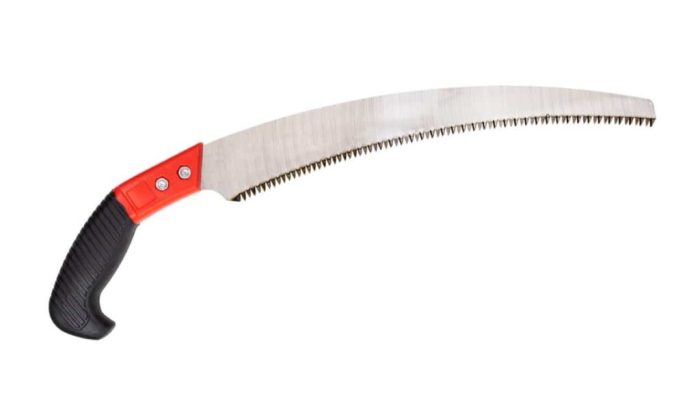
Japanese garden tools, steeped in centuries of tradition, are finding renewed relevance in contemporary landscaping. Their elegant forms and practical designs transcend stylistic boundaries, offering a harmonious blend of aesthetics and functionality in modern settings. These tools are no longer confined to meticulously crafted Zen gardens; their versatility allows for integration into diverse design styles, from minimalist urban spaces to expansive private estates.The enduring appeal of Japanese garden tools stems from their ability to address both the functional needs of maintaining a garden and the aesthetic desires of creating a visually compelling space.
Their integration into contemporary designs is not merely about mimicking traditional aesthetics, but about reimagining their essence in a modern context. This includes employing them for tasks ranging from meticulous pruning to artful sculpting of plants, thus adding a layer of refined artistry to everyday gardening.
Integration into Various Design Styles
Contemporary landscaping often embraces a variety of design styles, each demanding a unique approach to integrating garden tools. The key lies in understanding the subtle nuances of each style and selecting tools that complement, rather than clash with, the overall aesthetic.
- Minimalist Design: Minimalist landscapes prioritize simplicity and clean lines. Japanese garden tools, with their unadorned elegance, seamlessly integrate into this aesthetic. The focus is on functionality and the natural beauty of the plants, with tools chosen for their simplicity and uncluttered form, such as a simple, hand-forged rake or a carefully crafted pruning shears.
- Modern Urban Gardens: In urban environments, space is often at a premium. Japanese garden tools can be invaluable for creating compact, yet visually engaging, gardens. Their compact size and efficient design allow for precise work in limited areas, and their often-minimalist aesthetic fits well with the architectural lines of modern urban spaces. For example, a small, handheld rake can be used to carefully arrange gravel or stones, while a precise pruning shears can maintain hedges and shrubs within a small balcony garden.
- Rustic Elegance: Rustic landscapes embrace natural textures and materials. The handcrafted nature of Japanese garden tools, often showcasing subtle imperfections, enhances this style. For instance, a weathered wooden hoe or a set of hand-forged scissors with a rustic finish would complement the warm, natural tones of the garden.
Versatility in Modern Landscapes
The versatility of Japanese garden tools extends beyond their aesthetic appeal. Their functionality is tailored for a range of tasks, making them suitable for various modern landscaping projects.
- Precision Pruning: Japanese pruning shears, known for their fine blades, enable precise cuts that promote healthy plant growth. These tools excel at shaping hedges, removing deadwood, and maintaining the overall structure of plants, whether in a formal or informal setting.
- Careful Planting and Transplanting: The carefully crafted design of Japanese hand tools facilitates delicate handling of plants during transplanting and planting. This allows for a gentler, less disruptive approach to gardening, enhancing plant health and survival rates.
- Creating Artistic Features: These tools are more than just functional; they can be used to create artful features within a landscape. The careful arrangement of stones and gravel, for example, often utilizes tools such as small rakes and trowels, adding visual depth and texture to the garden.
Contemporary Landscaping Examples
The table below illustrates examples of contemporary landscaping incorporating Japanese garden tools, showcasing their adaptability across diverse design styles.
| Design Style | Tools Used | Visual Examples |
|---|---|---|
| Minimalist | Hand-forged rake, hand-forged pruning shears, small trowel | A garden with clean lines, minimal plant varieties, and carefully arranged stones. The garden’s aesthetic is enhanced by the understated elegance of the tools. |
| Modern Urban | Small hand-rake, pruning shears, a variety of small trowels | A balcony garden with strategically placed plants, meticulously maintained hedges, and a precisely arranged gravel pathway. The compact nature of the tools complements the confined space. |
| Rustic Elegance | Weathered wooden hoe, hand-forged scissors, small trowels | A garden with natural materials like wood and stone. The tools’ weathered appearance harmonizes with the garden’s overall rustic charm. |
Combining with Other Elements
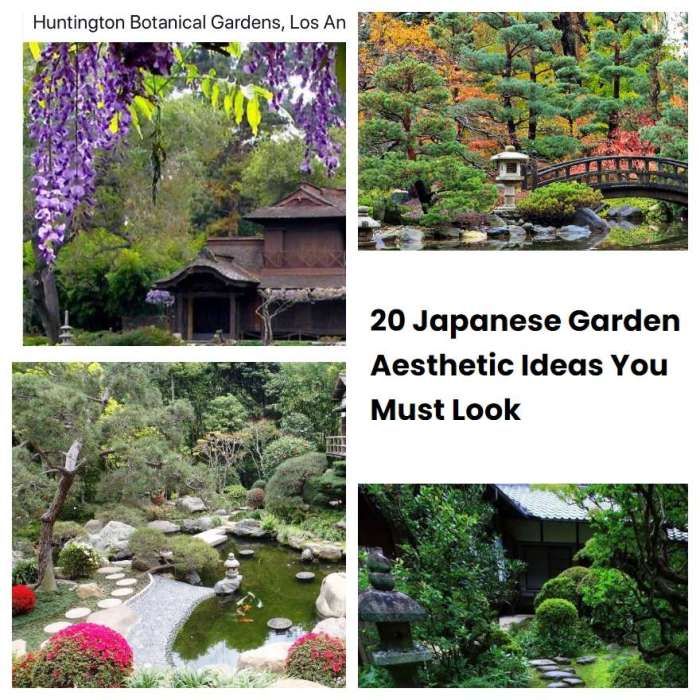
Japanese garden tools, meticulously crafted and imbued with symbolic meaning, are not isolated elements but integral components of the broader garden design. Their careful placement alongside rocks, water features, and plants creates a harmonious aesthetic, enhancing the overall visual impact and conveying a deeper meaning. This integration transcends mere practicality, emphasizing the interconnectedness of all elements within the garden.Effective integration of Japanese garden tools with other elements necessitates a nuanced understanding of their aesthetic harmony.
The tools, with their distinct forms and materials, should complement rather than compete with the surrounding landscape. This harmonious balance, achieved through careful consideration of shape, scale, and color, is crucial to the overall aesthetic experience.
Aesthetic Harmony and Visual Impact
The visual impact of Japanese garden tools within the overall design is profoundly influenced by their relationship with surrounding elements. Tools should be subtly integrated, never overshadowing the primary focal points like rocks, water features, or plants. The careful selection of materials and forms ensures that the tools harmonize with the existing textures and colors, creating a sense of tranquility and order.
For example, a weathered bronze rake nestled among polished river stones evokes a feeling of timelessness and the interplay of natural forces.
Examples of Successful Combinations
Successful combinations often highlight the complementary nature of the elements. A polished stone lantern, positioned beside a flowing water feature, enhances the serene ambiance. A finely crafted pruning shears, strategically placed near carefully sculpted bonsai, reinforces the meticulous cultivation of nature. The selection of materials and forms ensures that the tools harmonize with the existing textures and colors, creating a sense of tranquility and order.
Such combinations showcase the deep connection between the tools and the garden’s narrative.
Table of Successful Combinations
| Element | Tool | Visual Impact |
|---|---|---|
| Polished river stones | Weathered bronze rake | Evokes a sense of timelessness and the interplay of natural forces; a subtle contrast in textures creates visual interest. |
| Flowing water feature | Polished stone lantern | Enhances the serene ambiance; the interplay of light and shadow on the lantern adds depth to the scene. |
| Carefully sculpted bonsai | Finely crafted pruning shears | Reinforces the meticulous cultivation of nature; the precision of the tools emphasizes the artistry of the bonsai. |
| Large, flat rocks | Simple, wooden hoe | Provides a grounding presence; the natural wood tone complements the earthiness of the rocks. |
| Bamboo grove | Hand-forged shears | Highlights the organic beauty of the garden; the contrast in textures adds visual depth. |
Inspirational Examples
Japanese garden tools, far from mere implements, are integral to the profound aesthetic and spiritual experience of a meticulously crafted landscape. Their selection, form, and function are deeply intertwined with the philosophy of harmony and respect for nature. These tools are not just utilitarian; they are artistic expressions, whispering tales of ancient traditions and enduring beauty.Japanese gardens, renowned for their serene beauty and meticulous attention to detail, offer compelling examples of how these tools shape the overall aesthetic.
The careful interplay of form and function, combined with the exquisite craftsmanship, creates a harmonious balance between the natural world and human artistry.
Kyoto’s Ryoan-ji Temple Garden
The iconic Ryoan-ji Temple rock garden in Kyoto epitomizes the concept of minimalist beauty. The carefully placed rocks, meticulously raked gravel, and absence of vegetation underscore the profound emptiness at the heart of Zen philosophy. The tools used to cultivate and maintain this tranquil space, though unseen, are crucial. Specialized rakes, designed for smooth and precise movements, are essential for creating the pristine surface of the gravel.
Their subtle presence speaks to the dedication to detail and respect for the natural environment, mirroring the philosophy of the garden itself. The precise and delicate nature of the raking reflects the aesthetic ideal of balance and harmony. The very act of raking, a meditative practice, is integral to the experience.
The Korakuen Garden
Korakuen Garden, renowned for its picturesque vistas and artful use of water features, demonstrates how Japanese garden tools are used to enhance the natural beauty of the landscape. The intricate pathways, meticulously shaped by hand tools, are carefully integrated with the natural contours of the land. The careful placement of rocks, shrubs, and trees, along with the subtle use of water, is a testament to the garden designer’s deep understanding of nature.
This garden is not just a collection of elements but a living tapestry, meticulously interwoven with the tools and techniques that brought it to life. The artistry lies not only in the tools used but in the sensitive understanding of the environment and the use of the tools to reveal the natural beauty. The precision of the tools in shaping the paths and water features exemplifies the harmony between human artistry and nature.
The Kenrokuen Garden
The Kenrokuen Garden, a masterpiece of Japanese landscape design, showcases the meticulous craftsmanship inherent in the use of these tools. The careful selection of materials, from the precise placement of rocks to the subtle shaping of the trees, demonstrates the deep understanding of natural elements. The use of specialized tools for pruning and shaping is evident in the finely crafted trees and shrubs.
These tools were not simply used to create a visual harmony; they were employed to foster a profound connection with the natural world. The precise cuts and shapes of the trees and shrubs speak volumes about the intricate balance between human artistry and the natural environment.
The Shin-yoshino Garden
Shin-yoshino Garden, with its lush greenery and cascading water features, highlights the delicate balance between artifice and nature. The intricate arrangement of plants, the careful construction of the water channels, and the use of specialized tools to shape the landscape underscore the importance of craftsmanship. The tools, though often unseen, contribute to the overall harmony and visual appeal of the garden.
The combination of natural and man-made elements, achieved with precision, creates a serene and contemplative space. The tools facilitate the delicate integration of the human element with the natural world, allowing for a deeper appreciation of the natural beauty. The tools used in the shaping of the water channels and the arrangement of plants are essential to achieving the garden’s visual appeal and serene atmosphere.
End of Discussion
Japanese garden tools, a fusion of form and function, seamlessly integrate with the surrounding environment. Their enduring appeal transcends generations, inspiring awe and admiration for their meticulous craftsmanship and profound connection to nature. Modern interpretations are breathing new life into these traditional tools, demonstrating the enduring relevance of Japanese aesthetics in contemporary landscaping.
